
LANDSCAPE
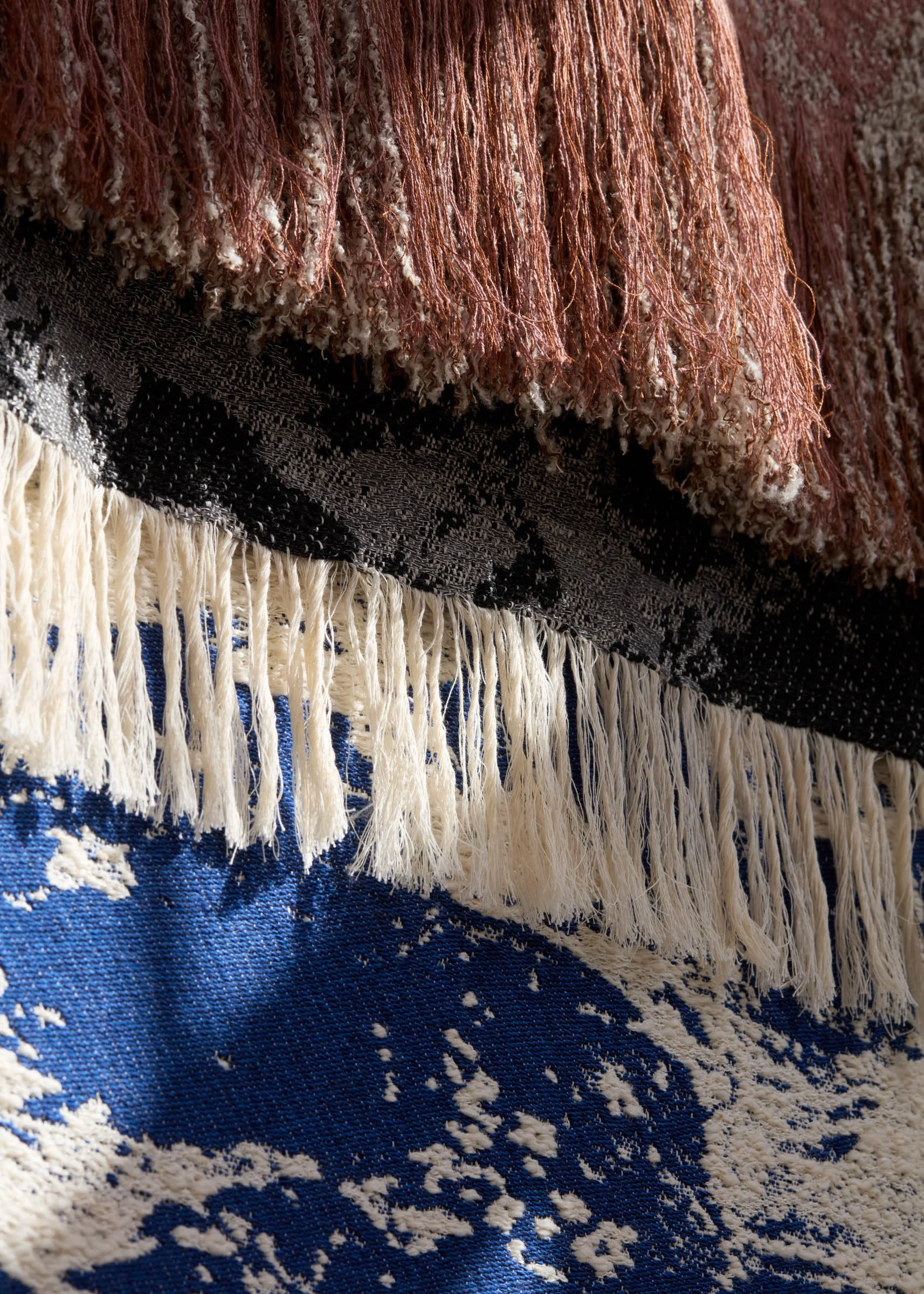
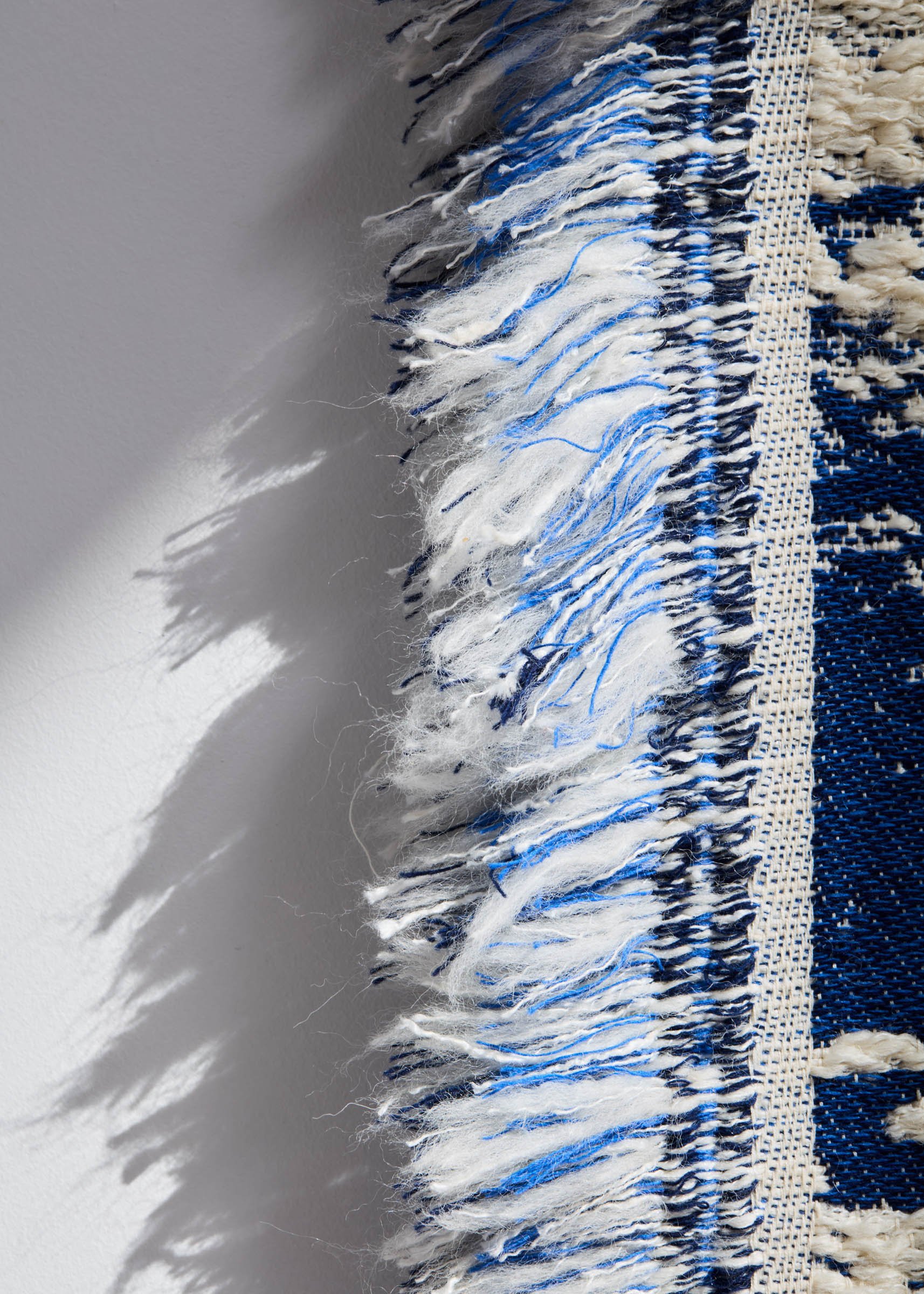
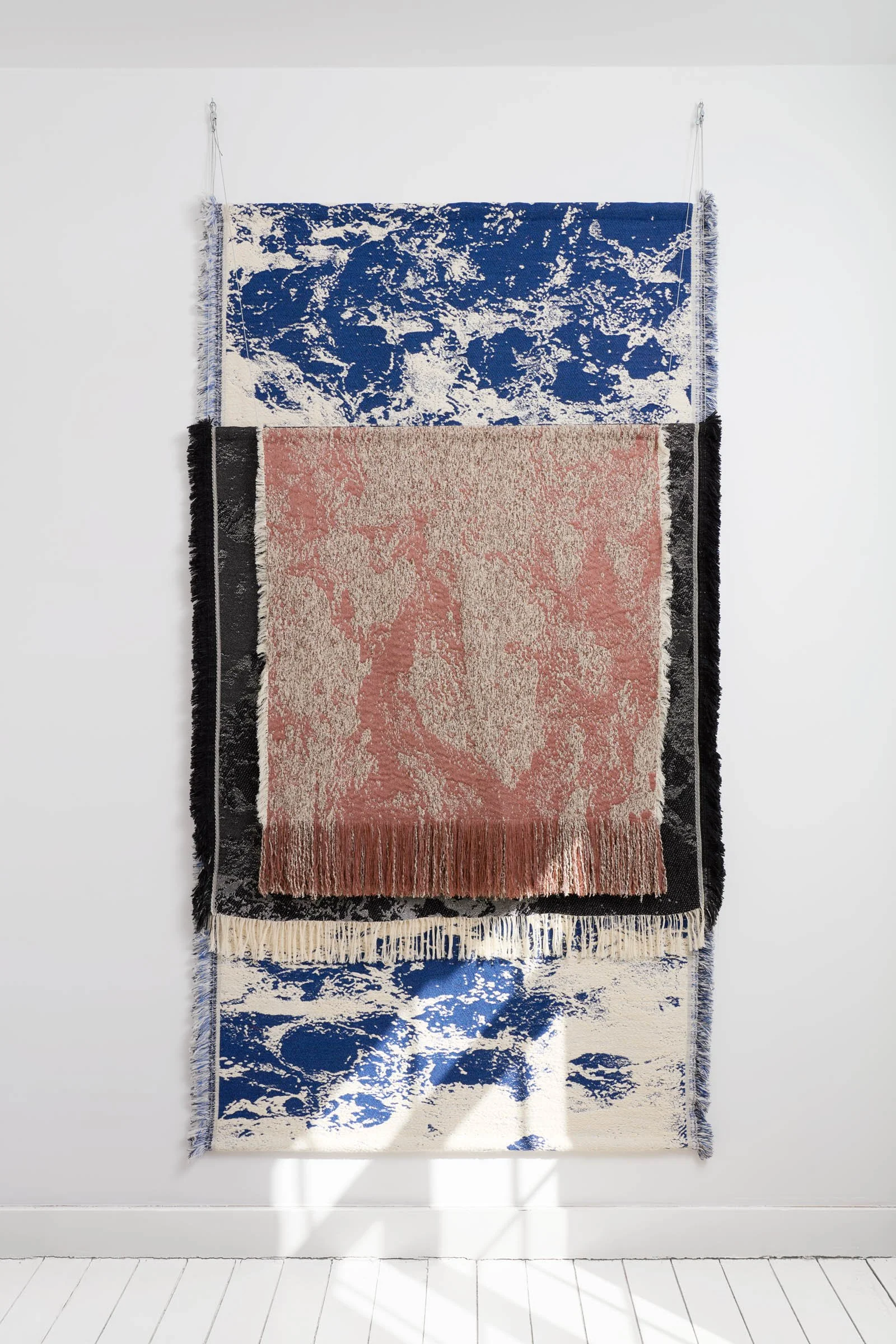
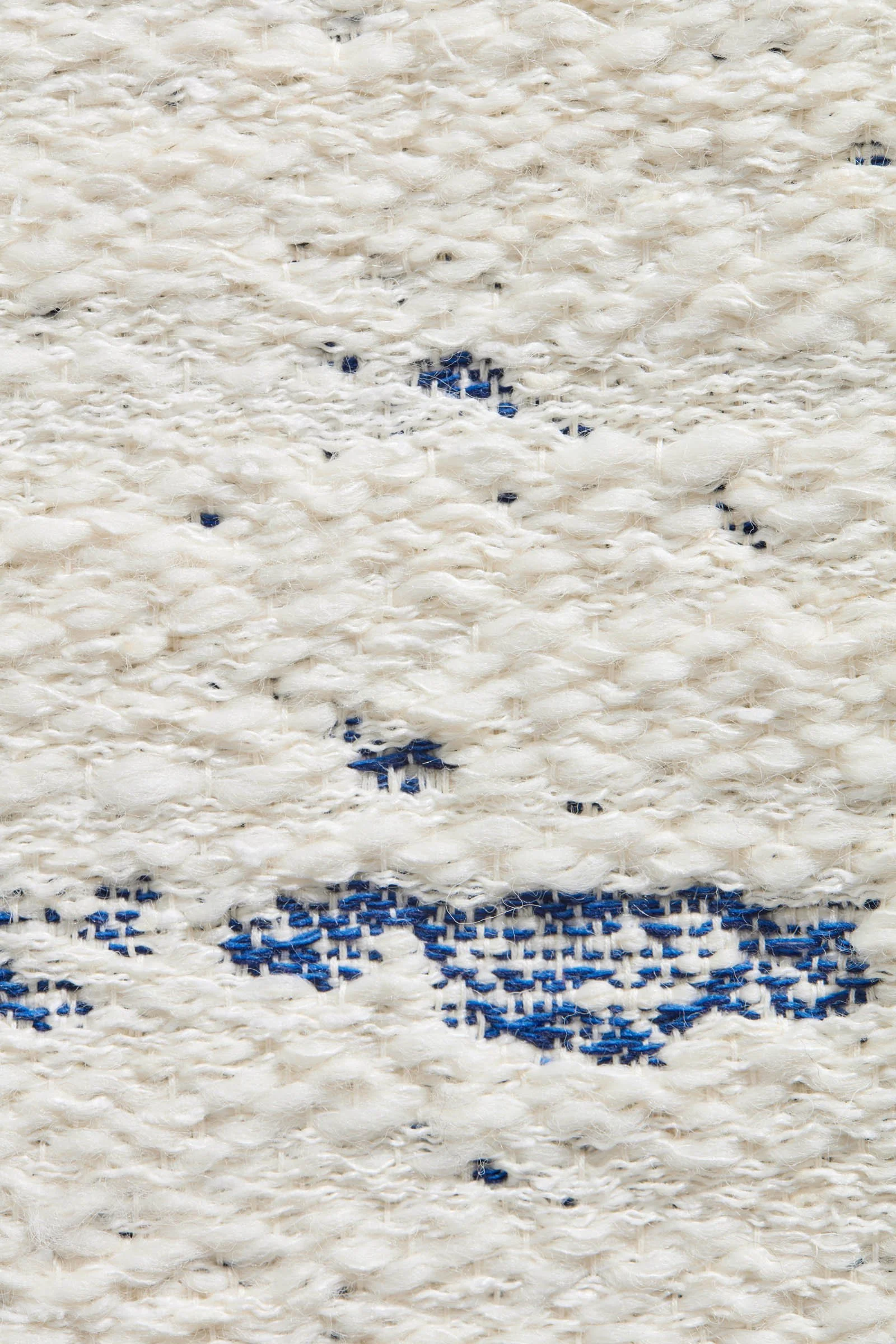
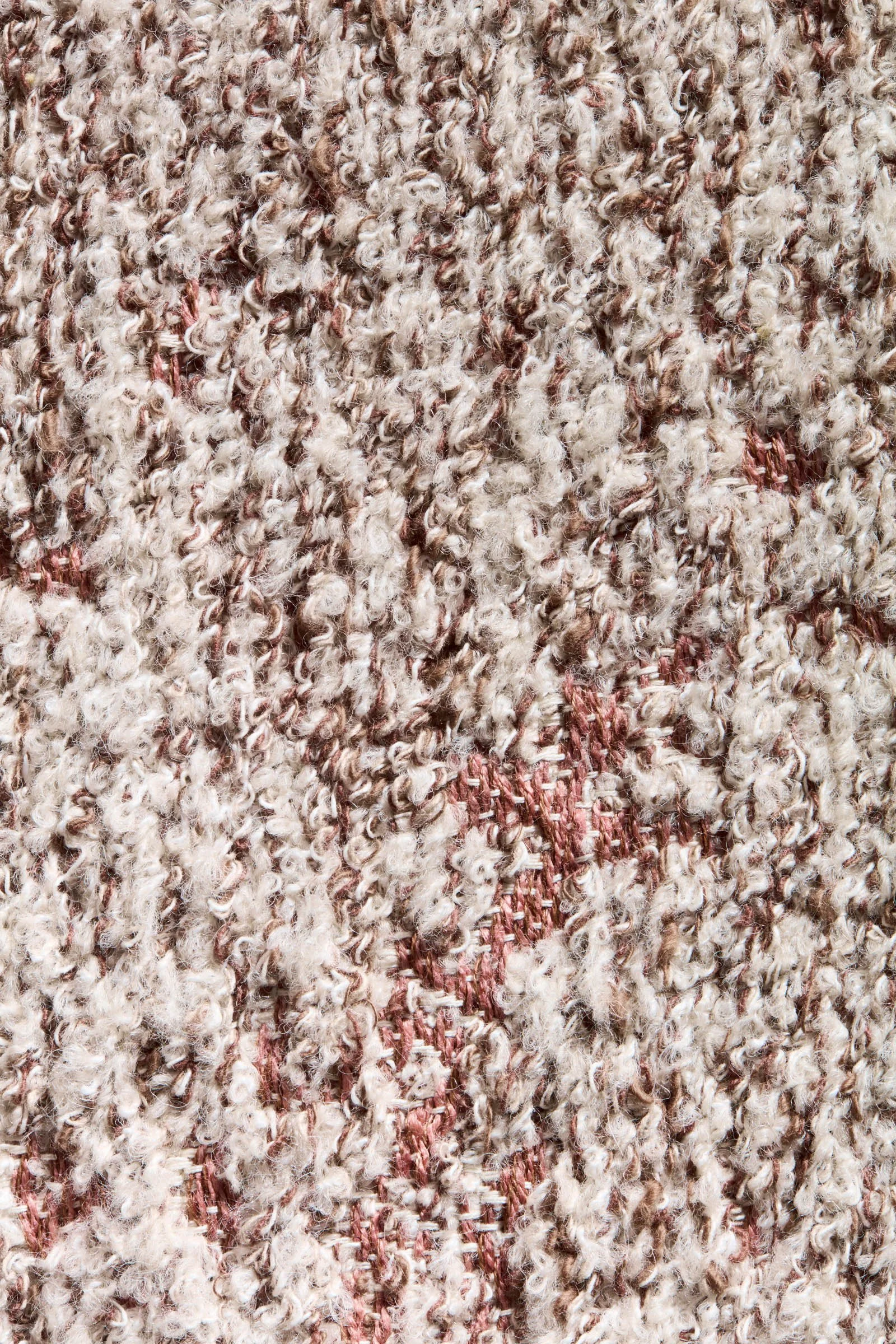
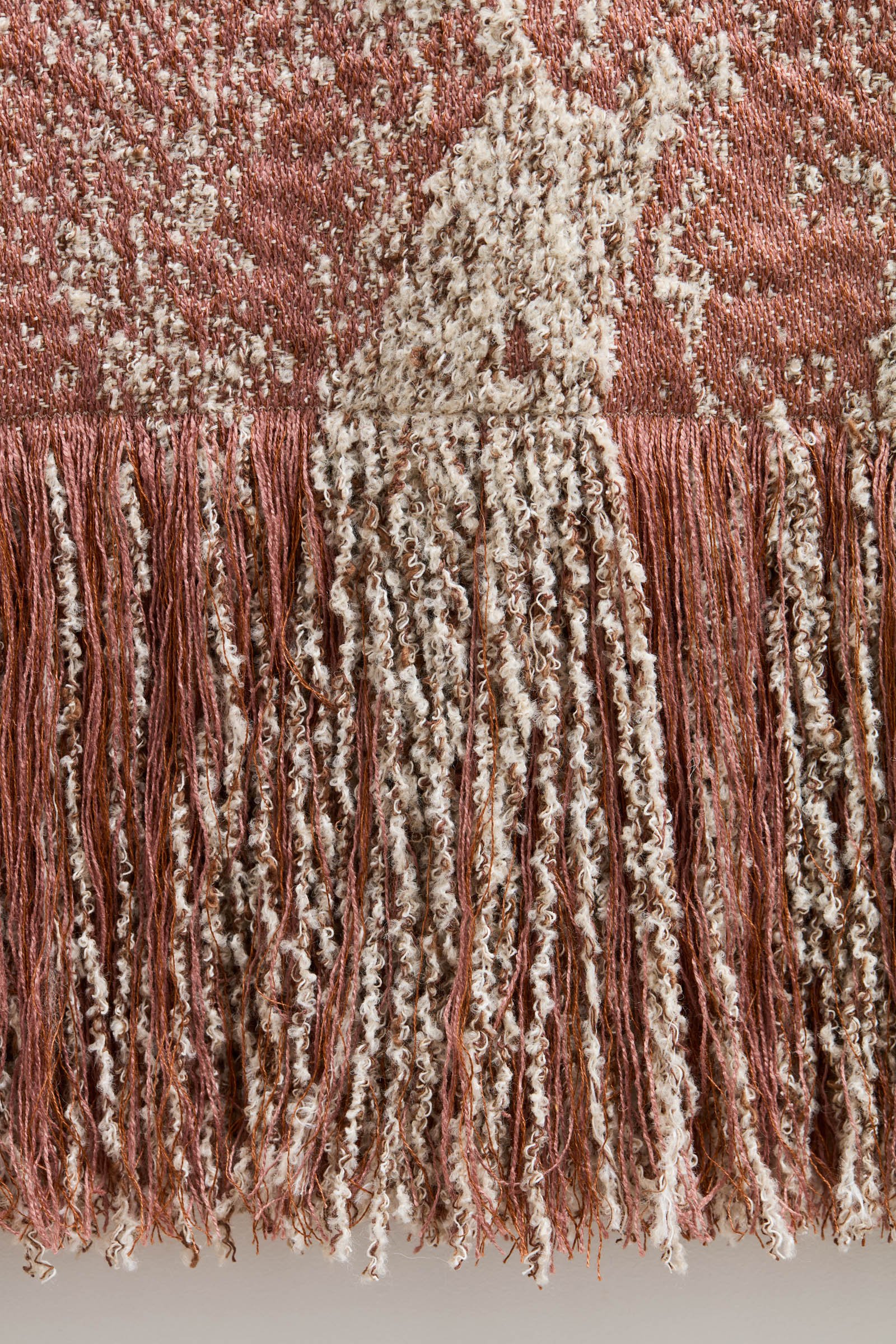
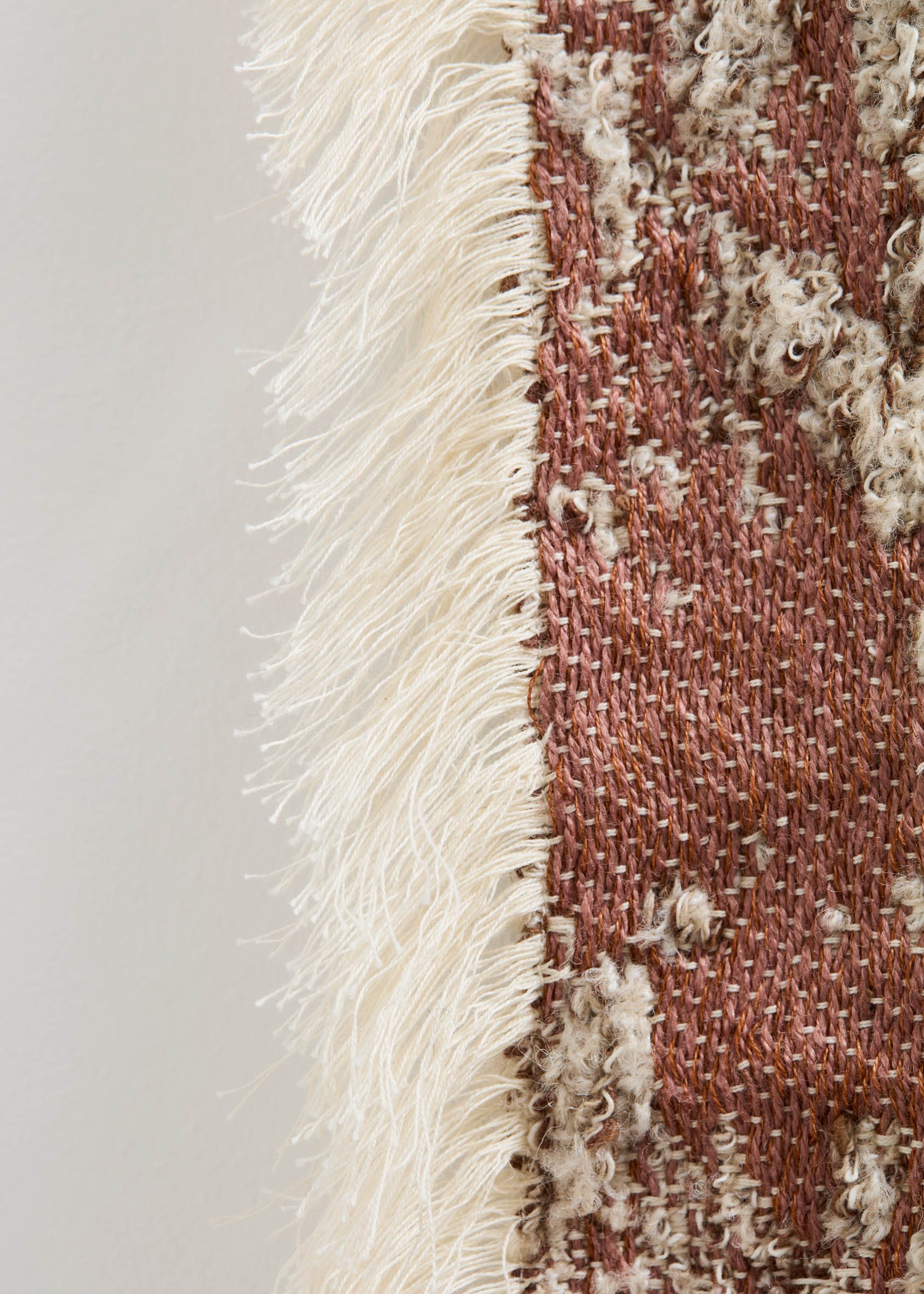
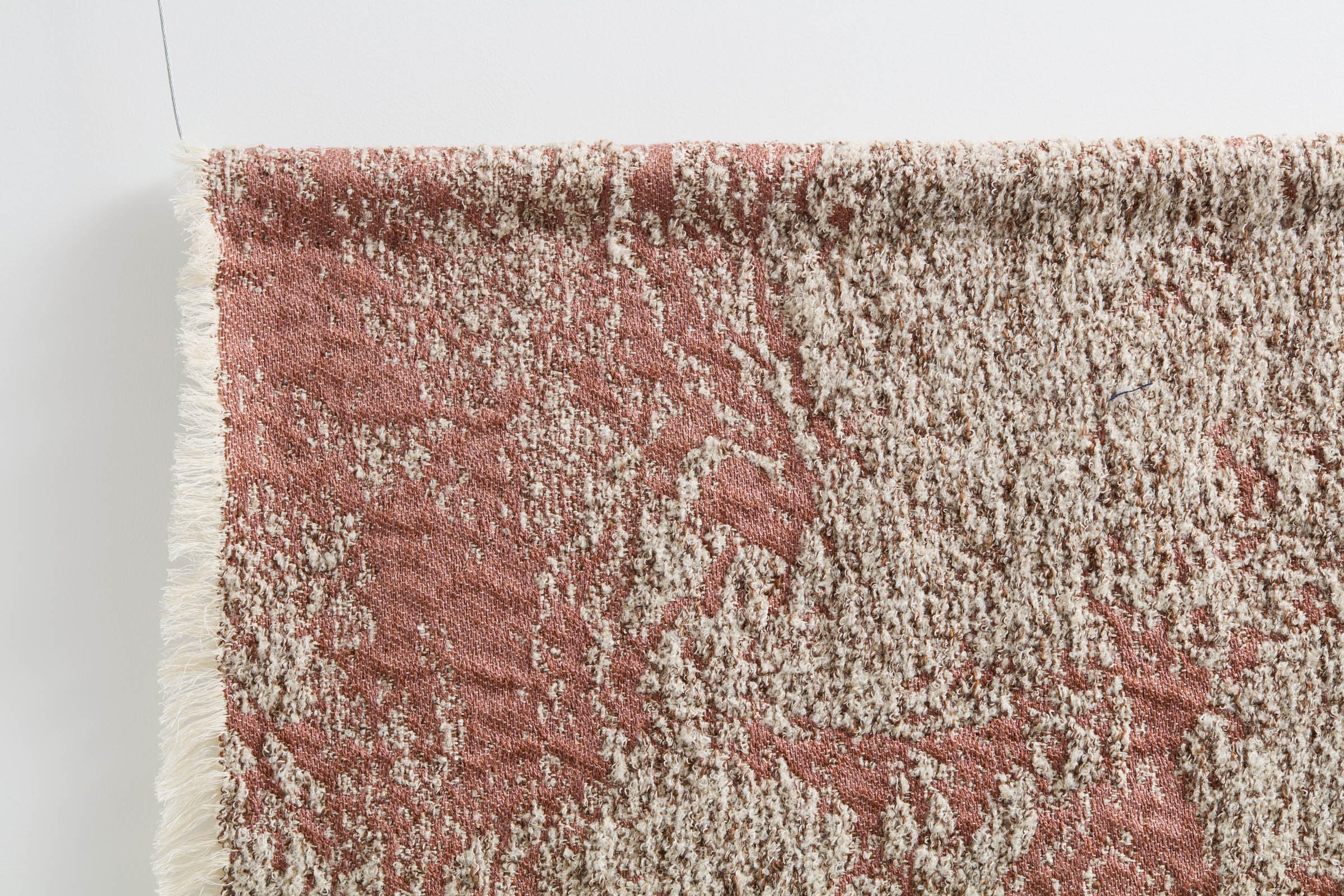
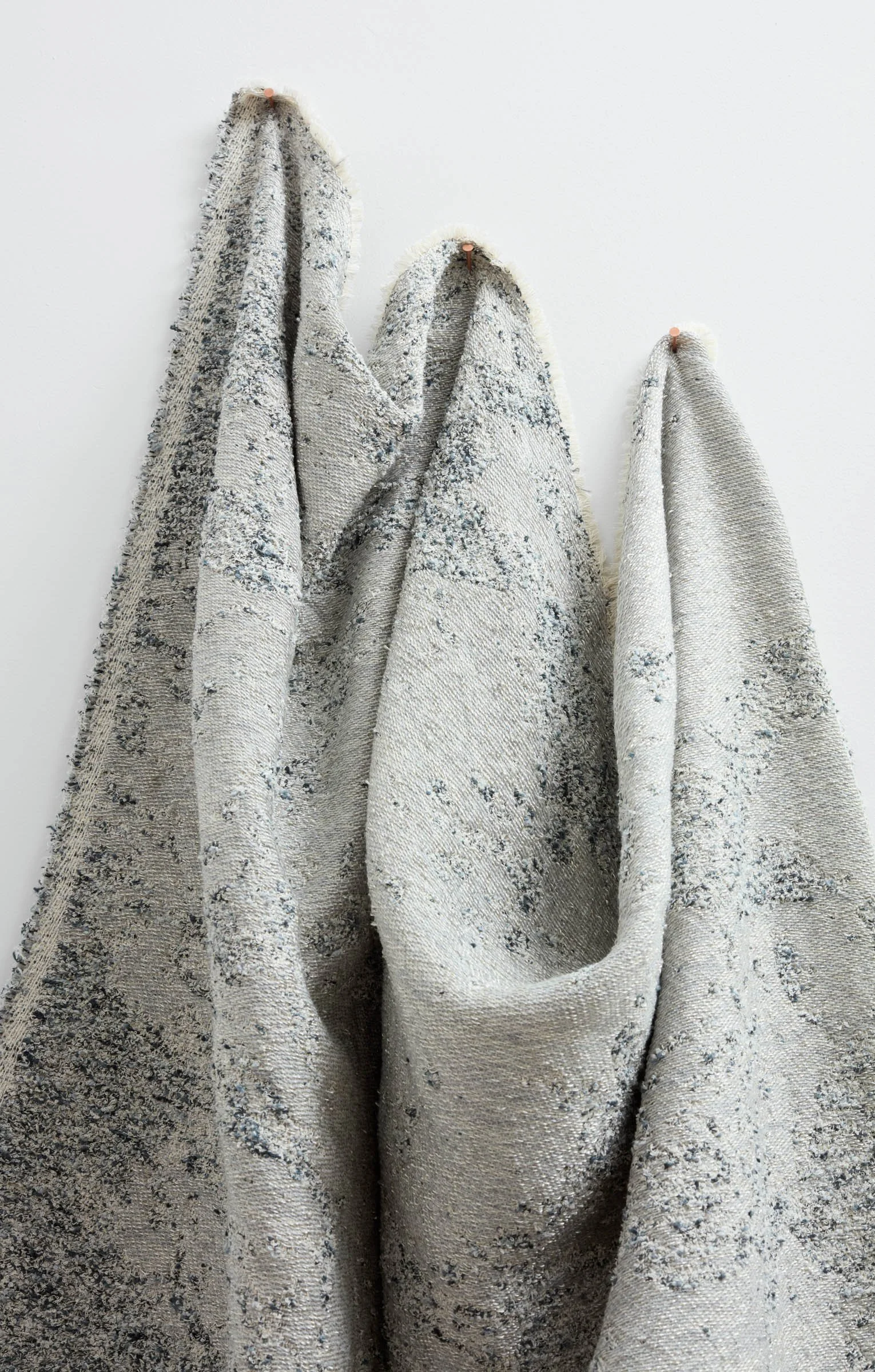
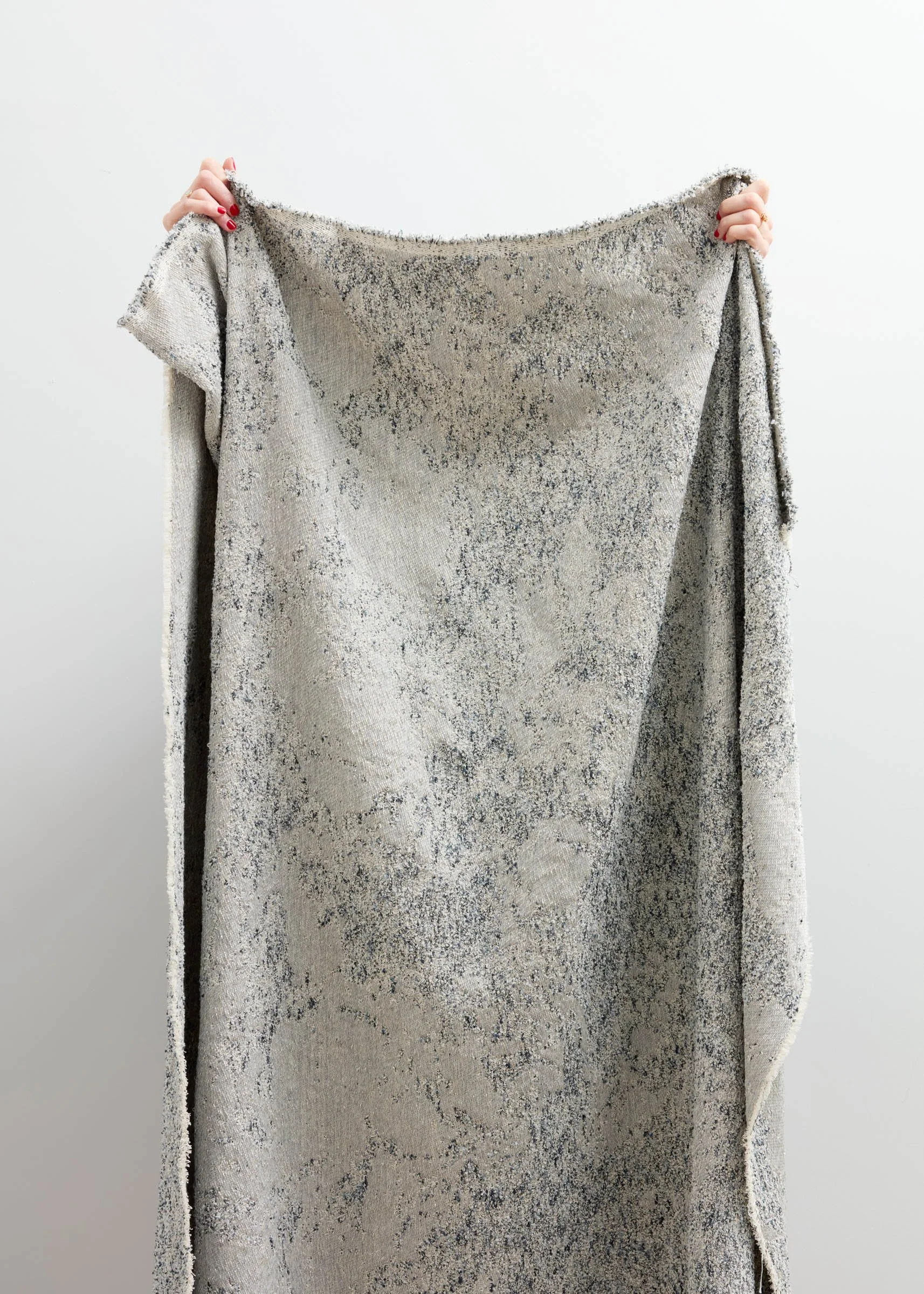
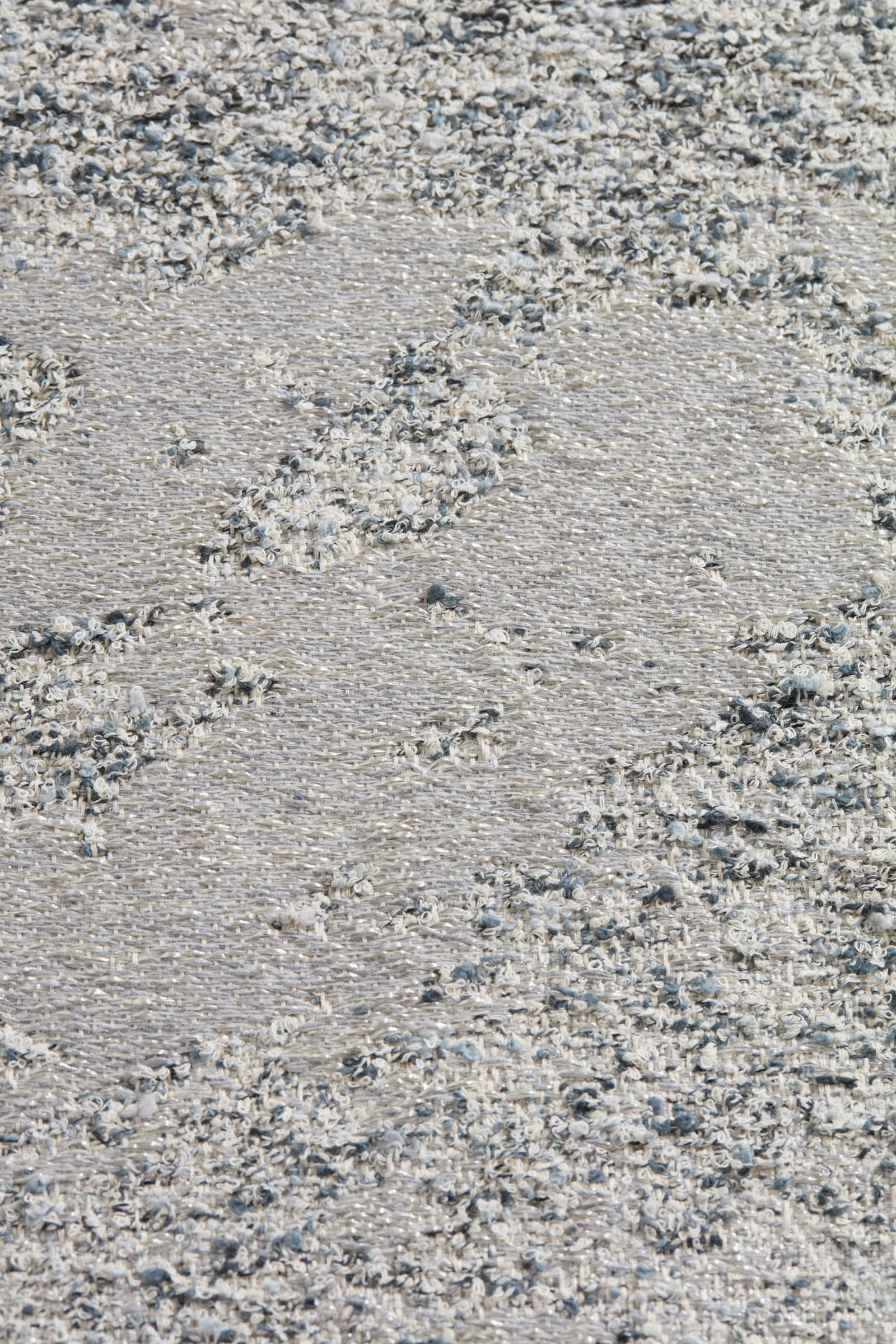
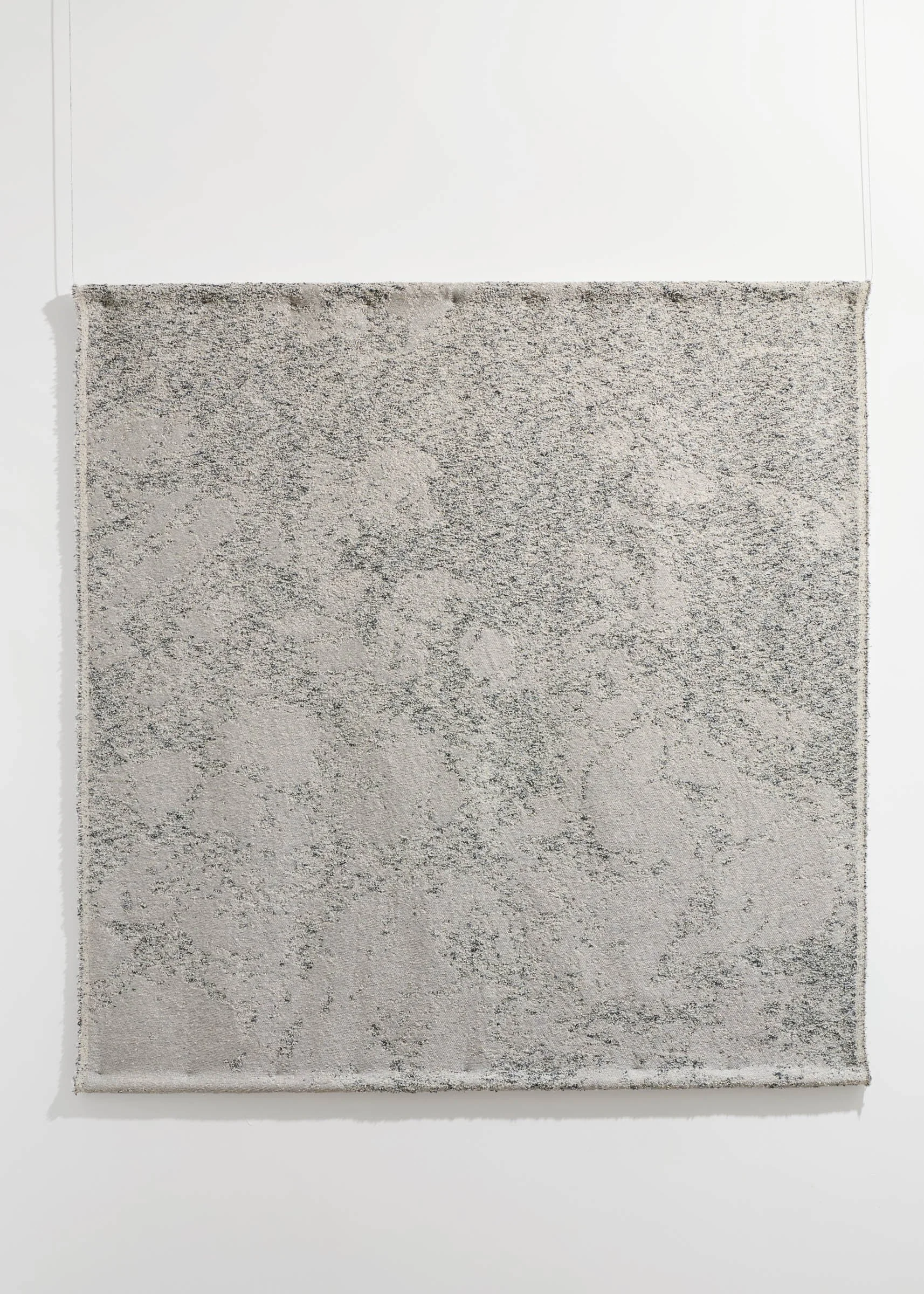
Landscape is a series of jacquard tapestries developed in Belgium that explores the relationships between material, process, and perception. Each piece is woven from surplus production yarns, giving new life to existing resources while opening a field of experimentation where material constraints become a creative driver.
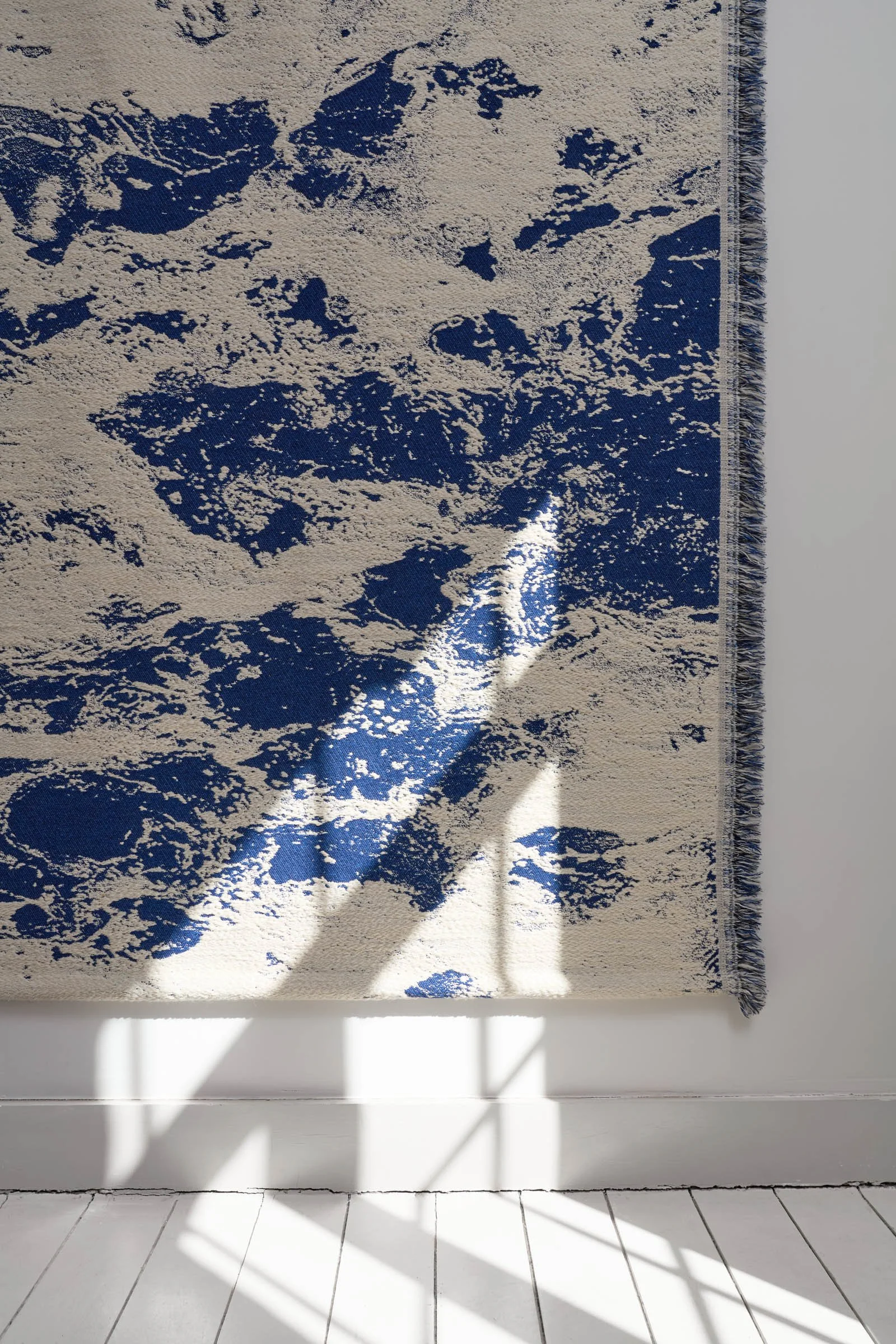
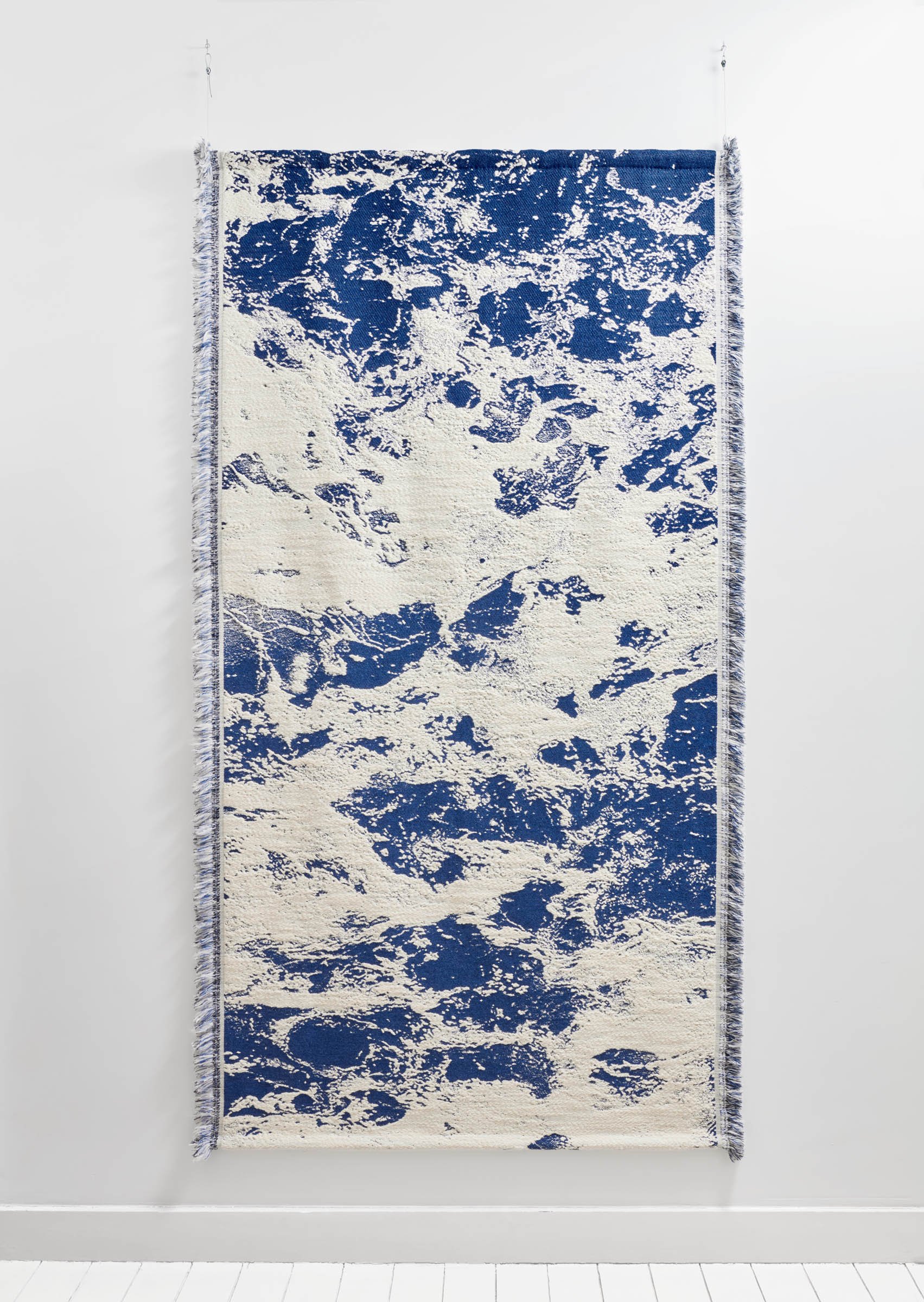
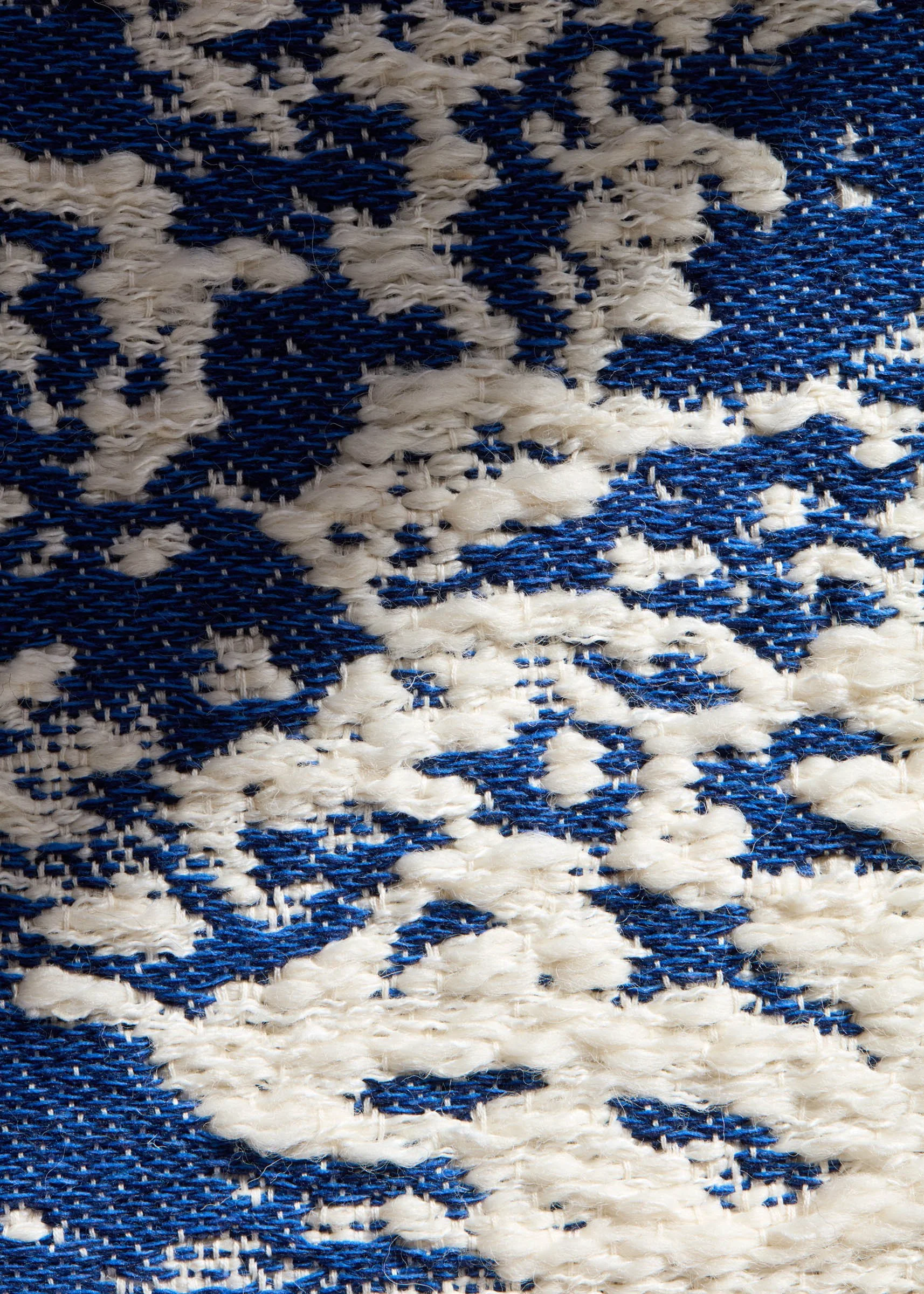
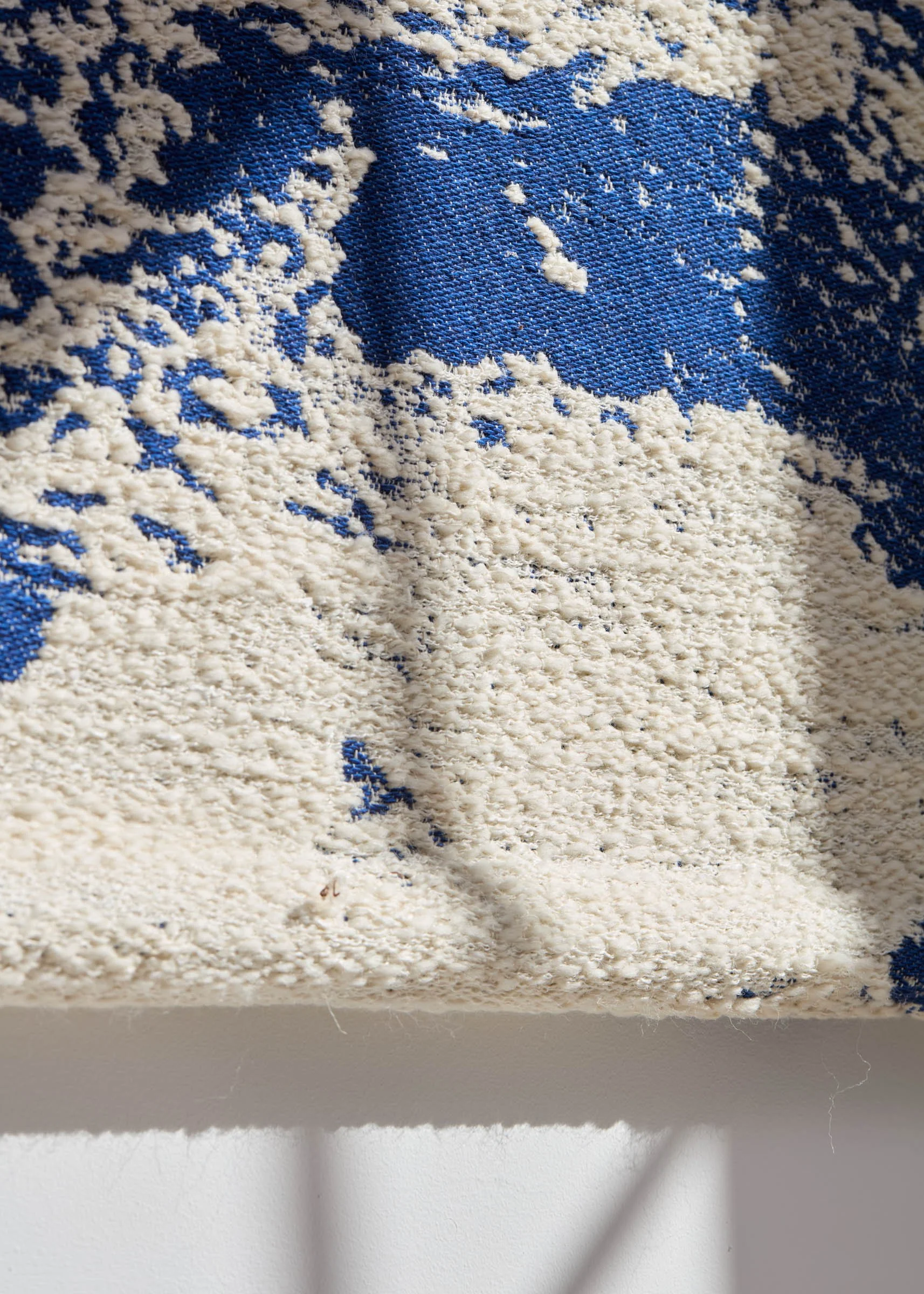
The project begins with a large-scale drawing (140 × 280 cm in length), inspired by sea foam. Initially, my interest focused on flamed yarn, with its irregular thickness and shifting volume. I sought to highlight these variations by contrasting it with a finer thread, creating a tension between density and lightness within the weave.
From this starting point, the series developed through the reinterpretation of the drawing using available surplus yarns. Each material choice becomes a way of questioning how fiber influences the reading of the pattern and the very nature of the woven image. The compositions draw inspiration from natural environments: sea foam translated through flamed yarn, snow and mist through mohair, and frozen landscapes through lurex. The length of these large-scale pieces also varies depending on the quantity of material available.
The project originates from a desire to understand the weaving process, following the Reversible collection developed for GAN Rugs. This research led me to experiment with the jacquard loom at Texlab in Liège, in collaboration with Marie Beguin. Gradually, a collection emerged through the dialogue between yarns, samples, and experimentation.
SEA FOAM
VOLCANO
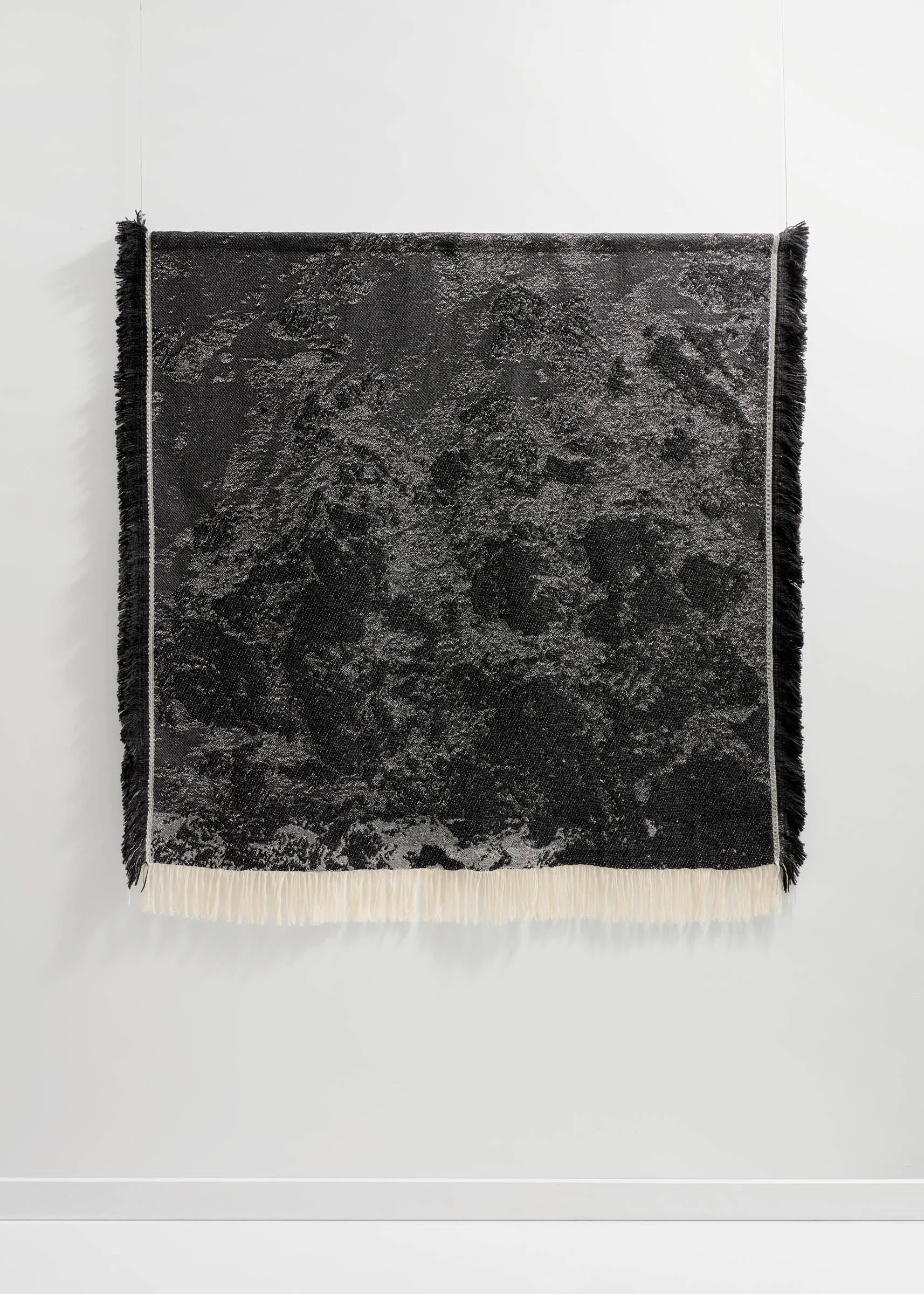
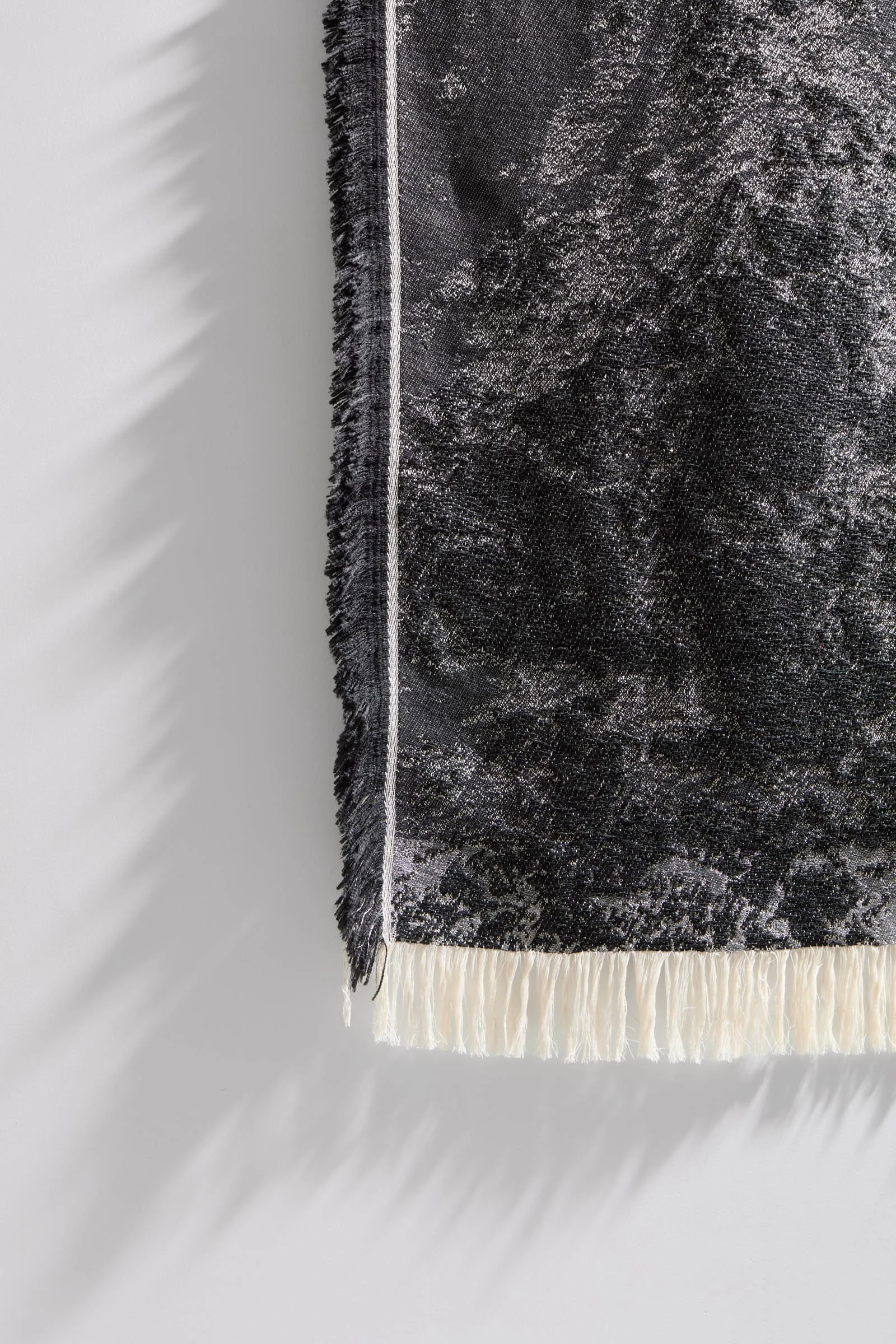
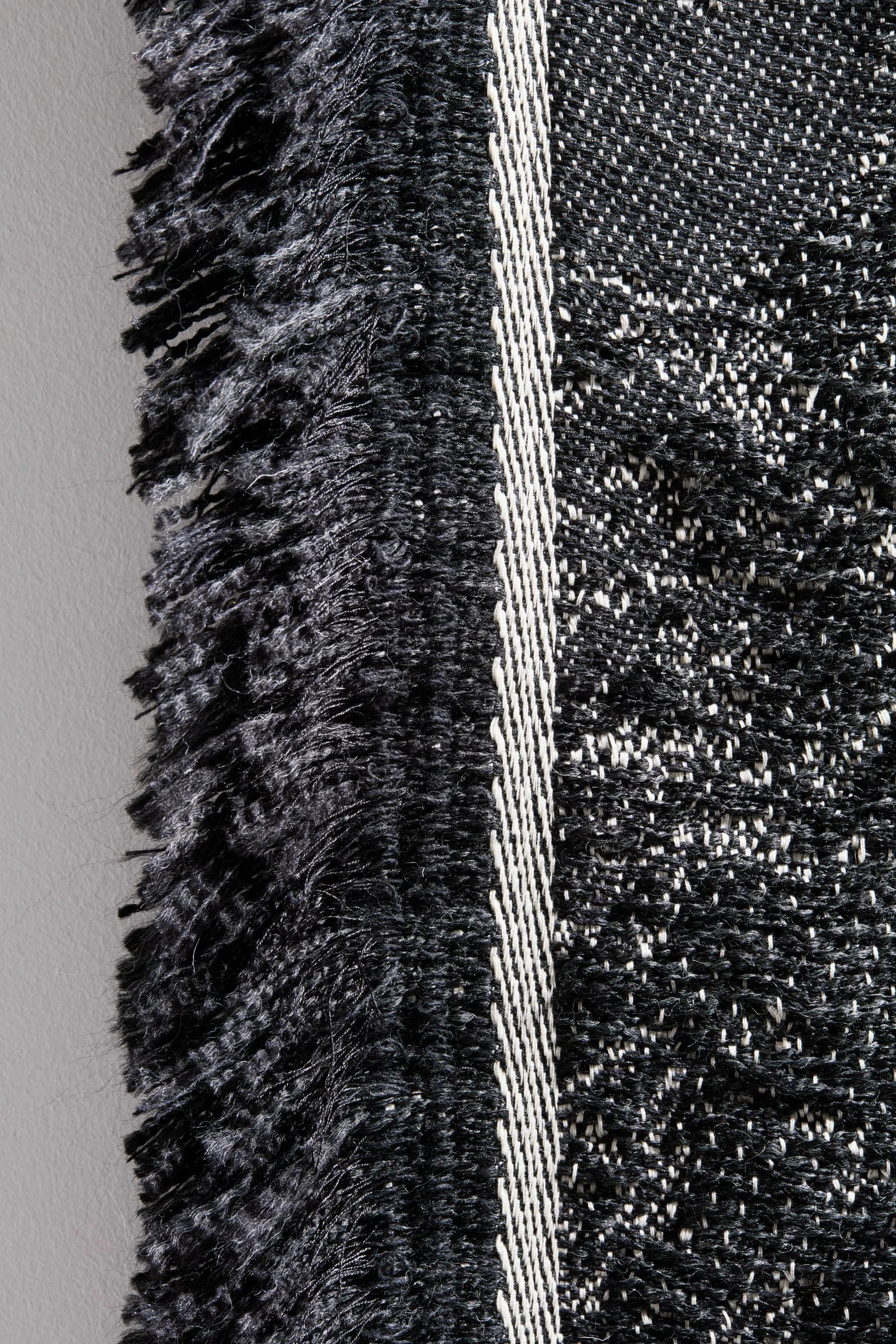
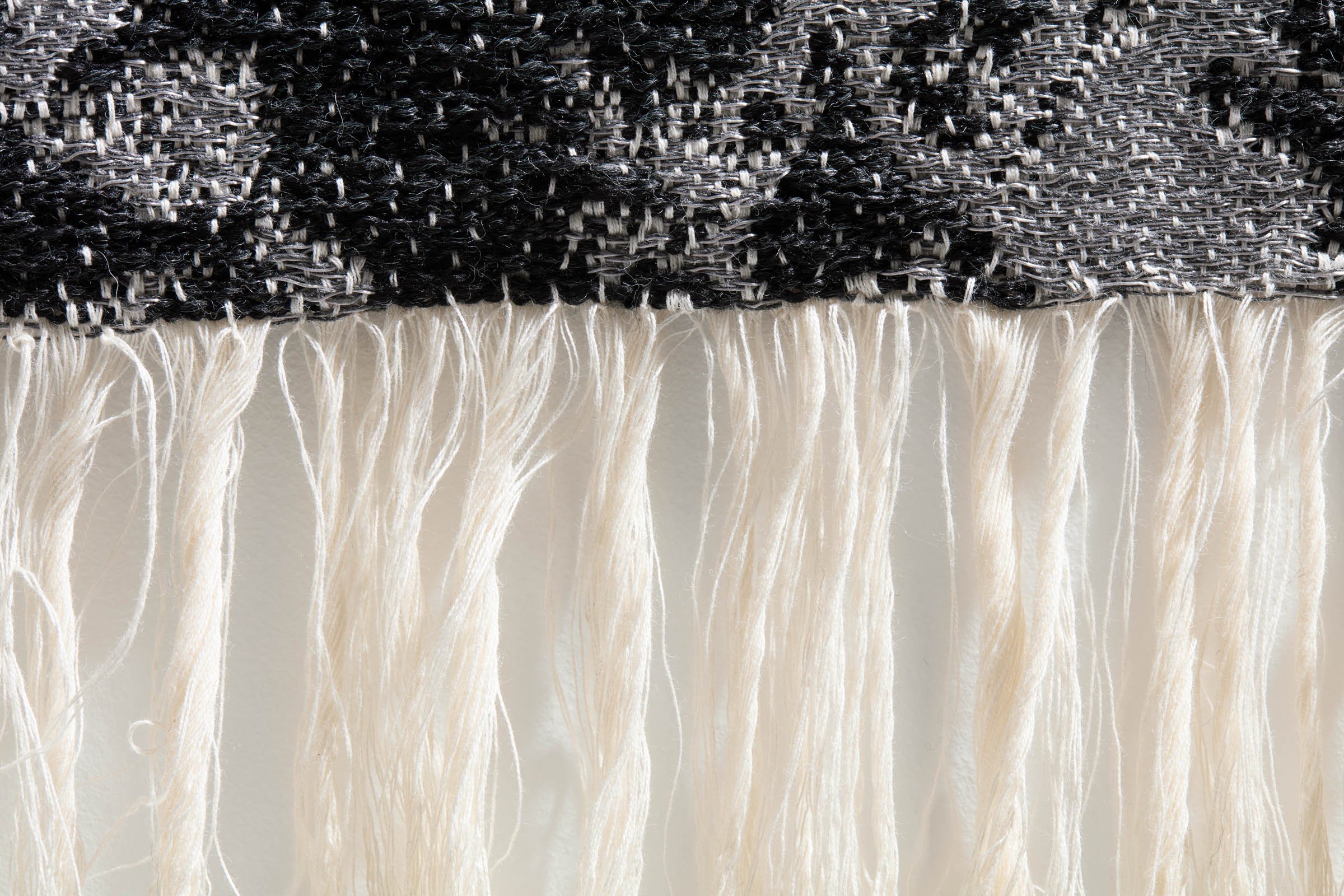
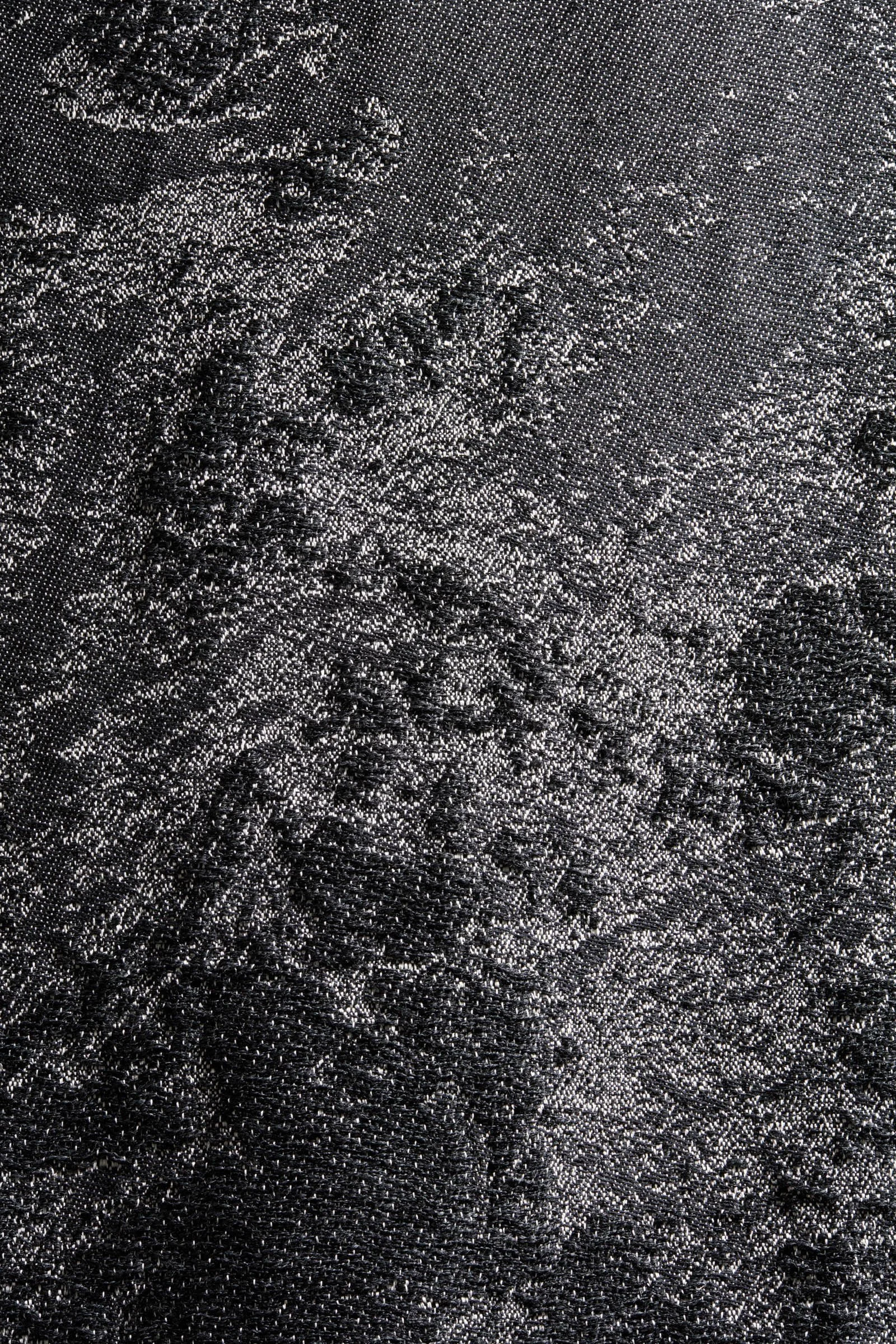
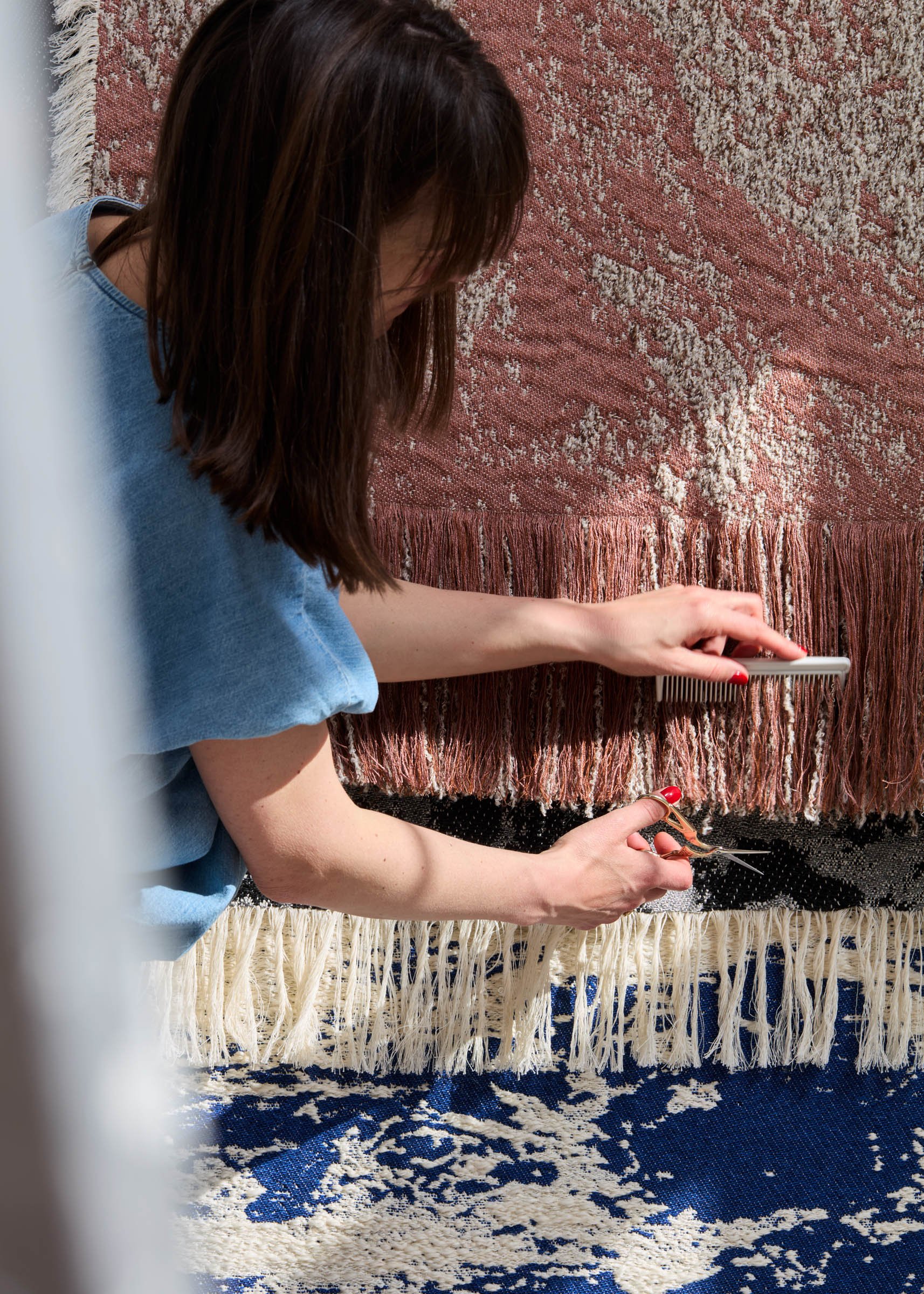
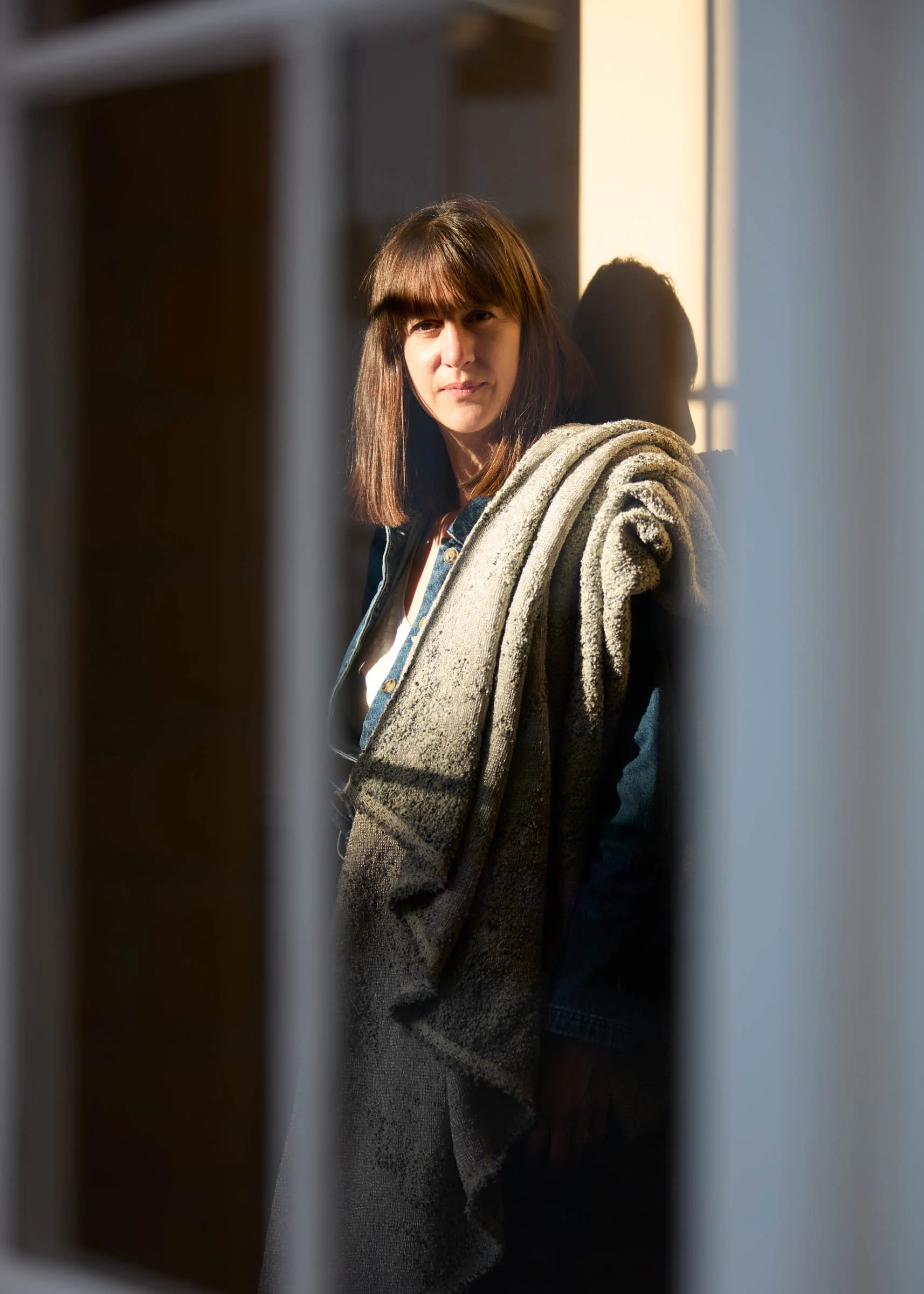
The 40 cm-wide pieces were the first to be handwoven by Charlotte. They are reversible, and their length depends on the thickness of the yarns and the way they are packed onto the loom. These initial experiments then inspired the development of large-scale pieces, made possible by the availability of surplus yarns.
The whole body of work forms a kind of “textile photocopy”: a process of translation in which drawing, material, and weaving continuously transform one another. The project also aims to explore new modes of industrial production in dialogue with available resources.
TERRA ROSSA
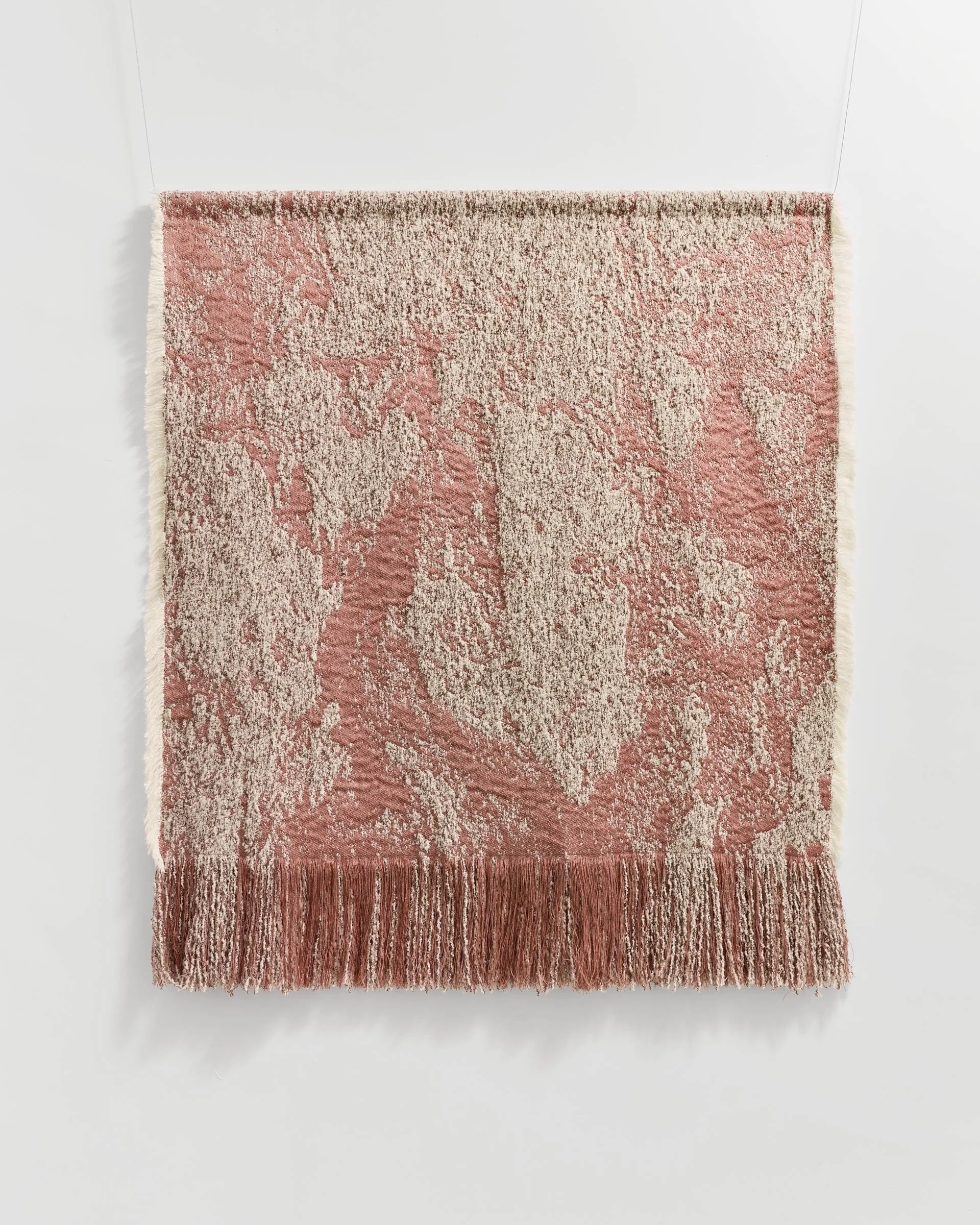
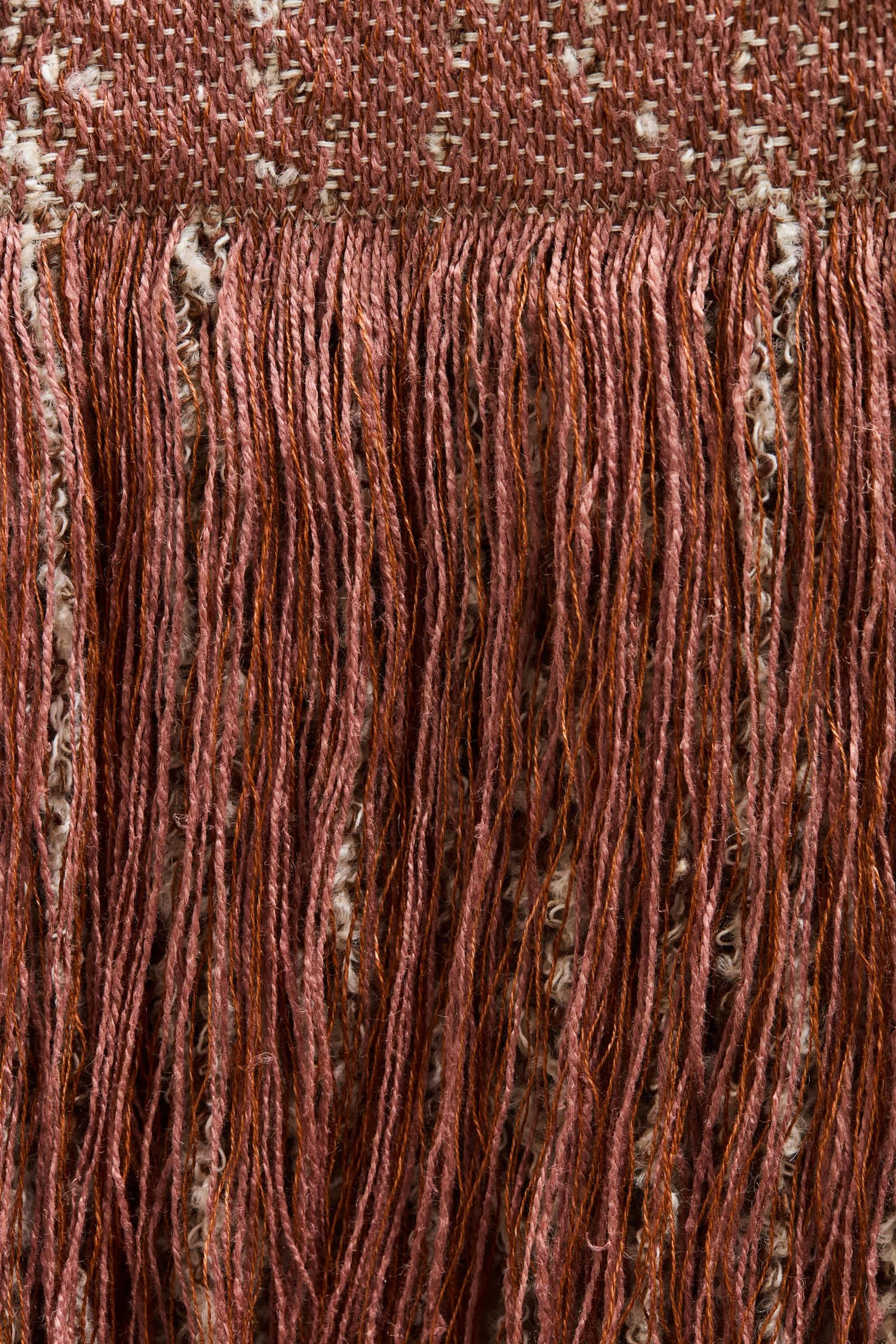
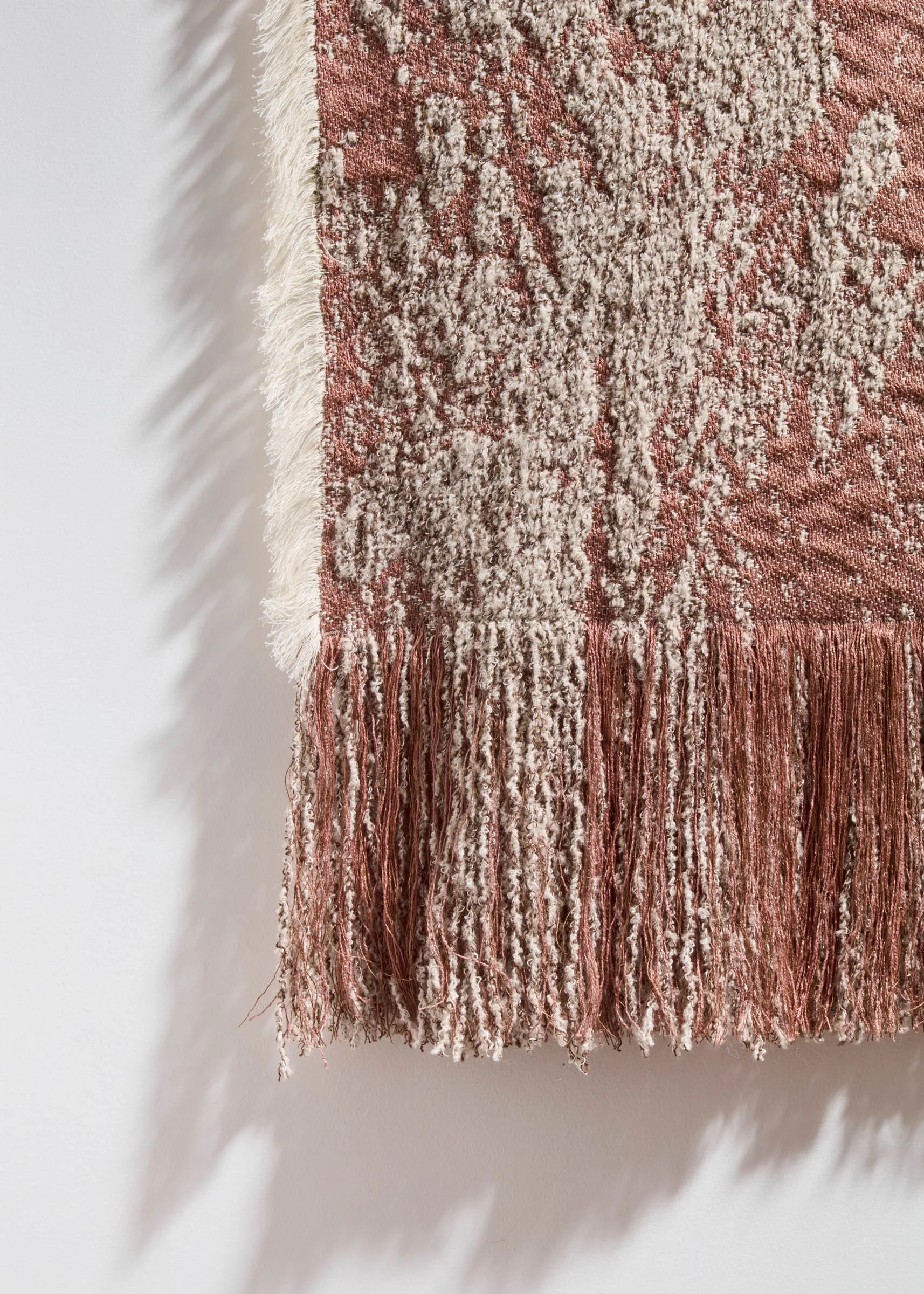
Frozen
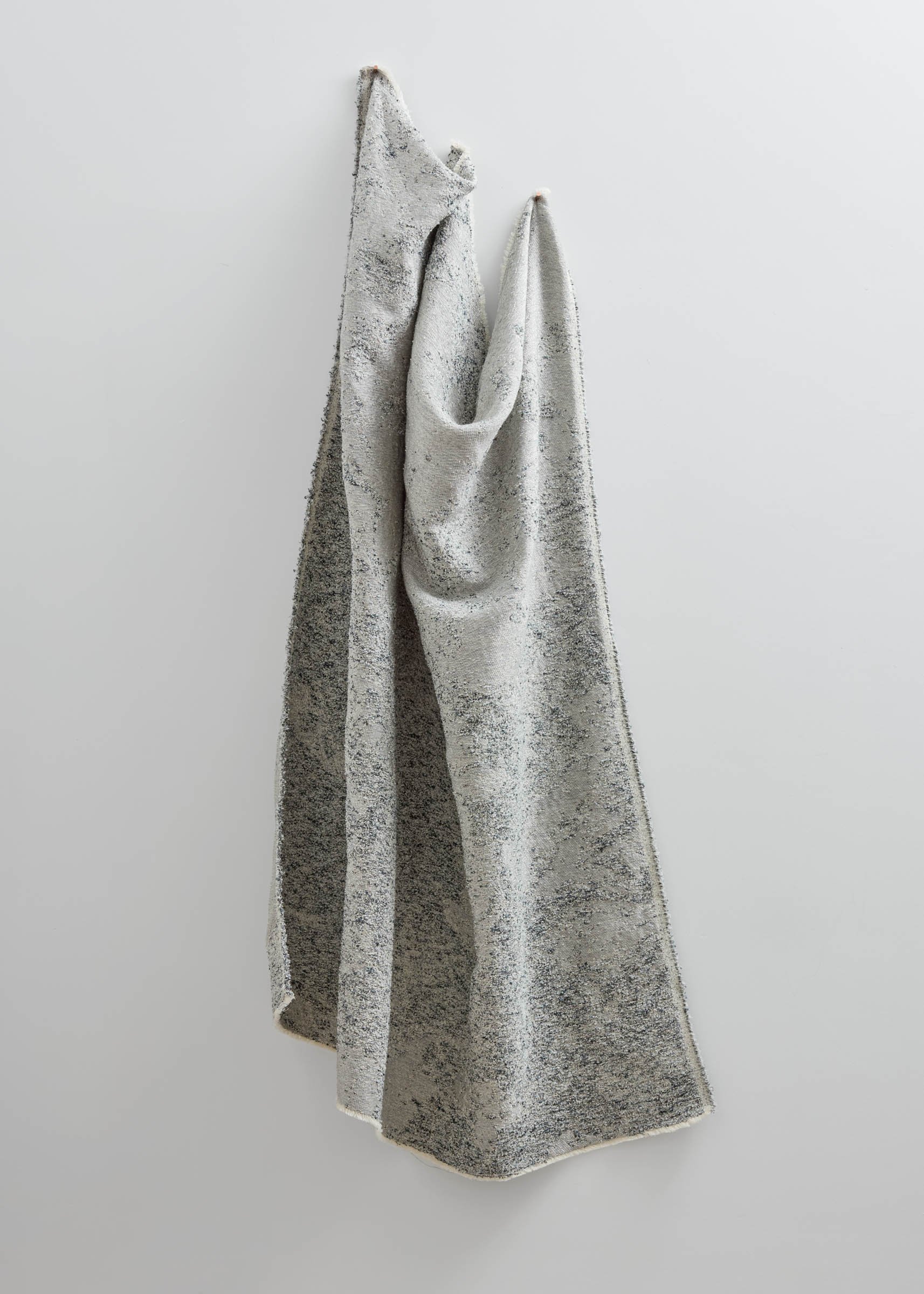
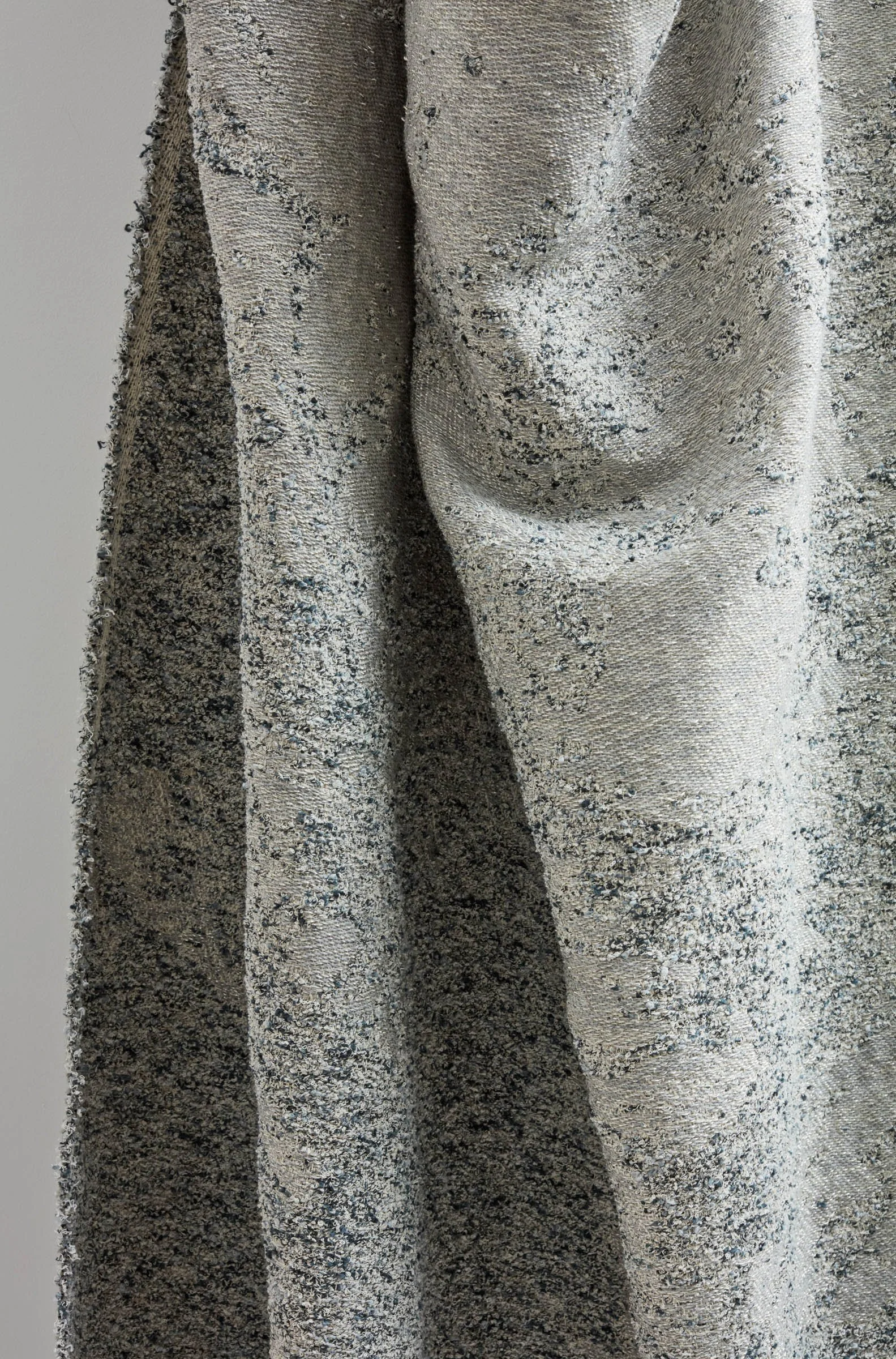
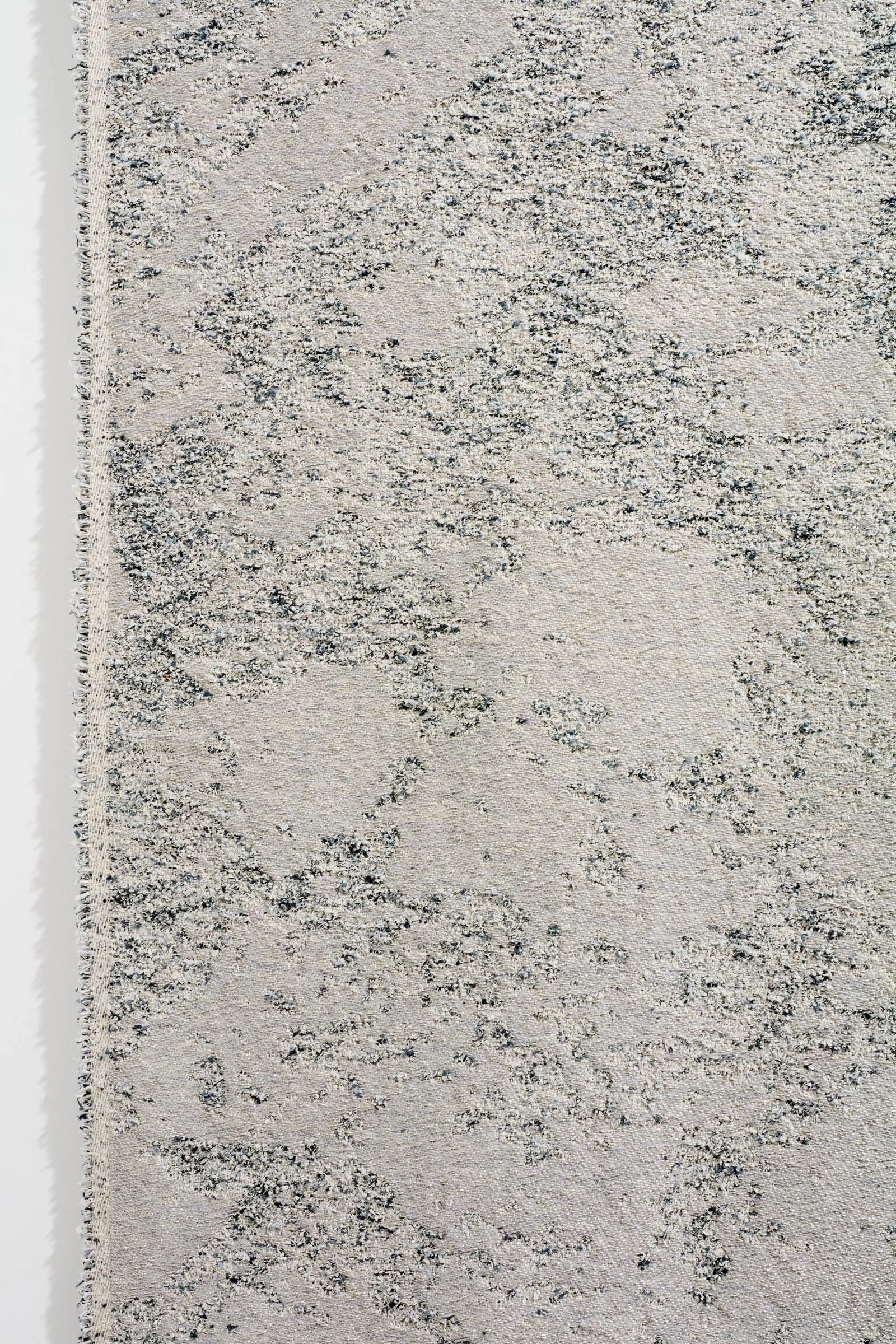
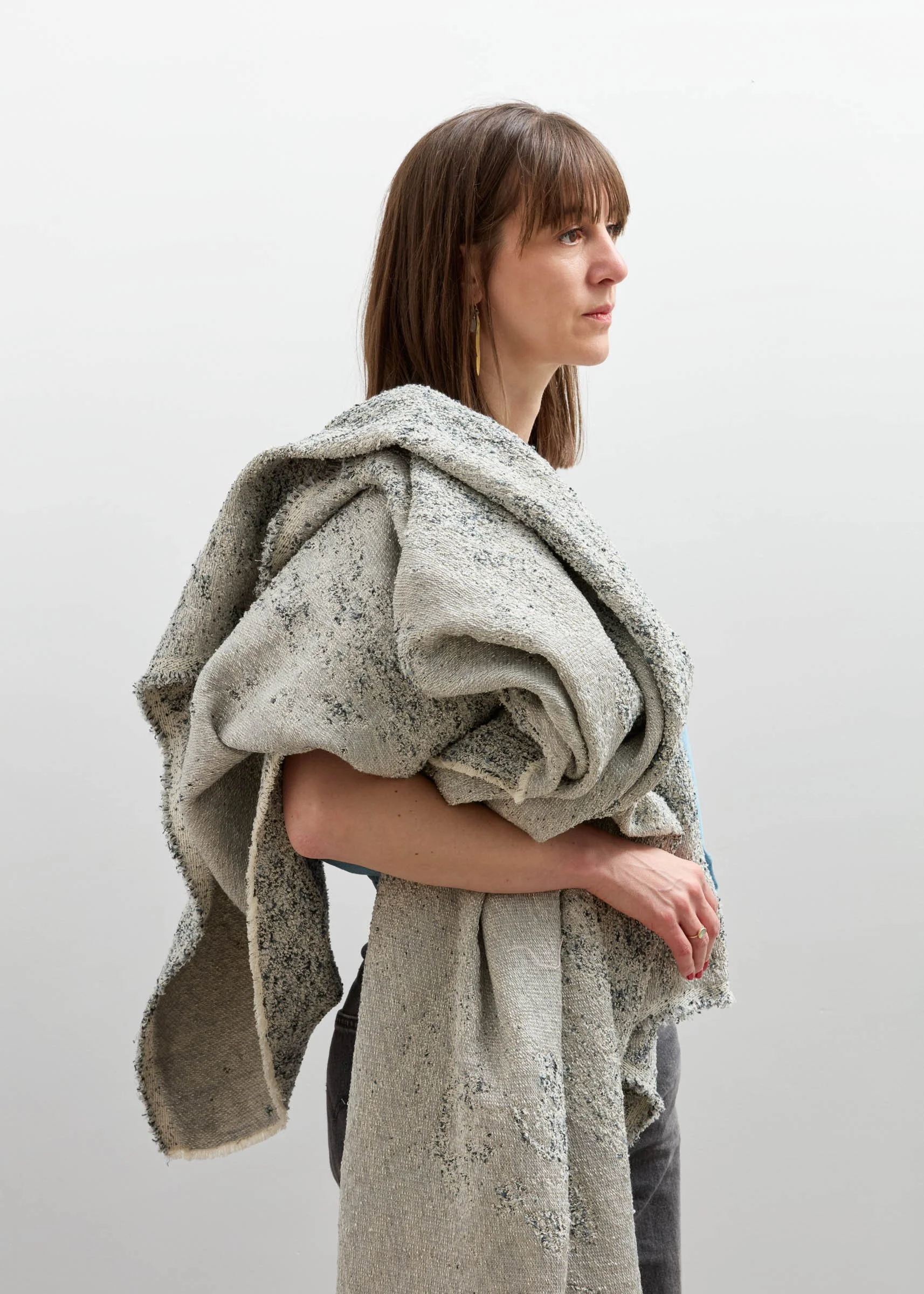
Estuary
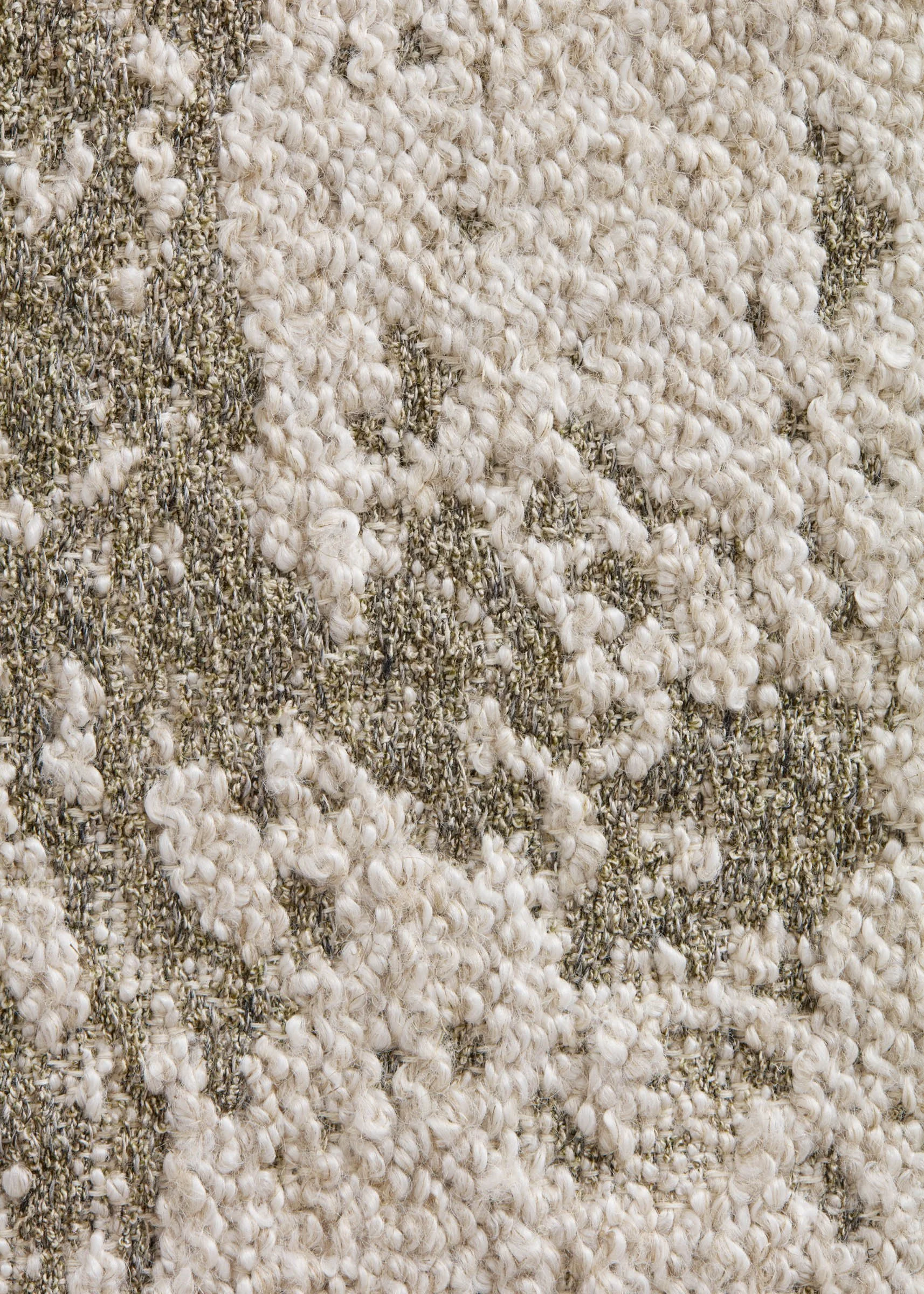
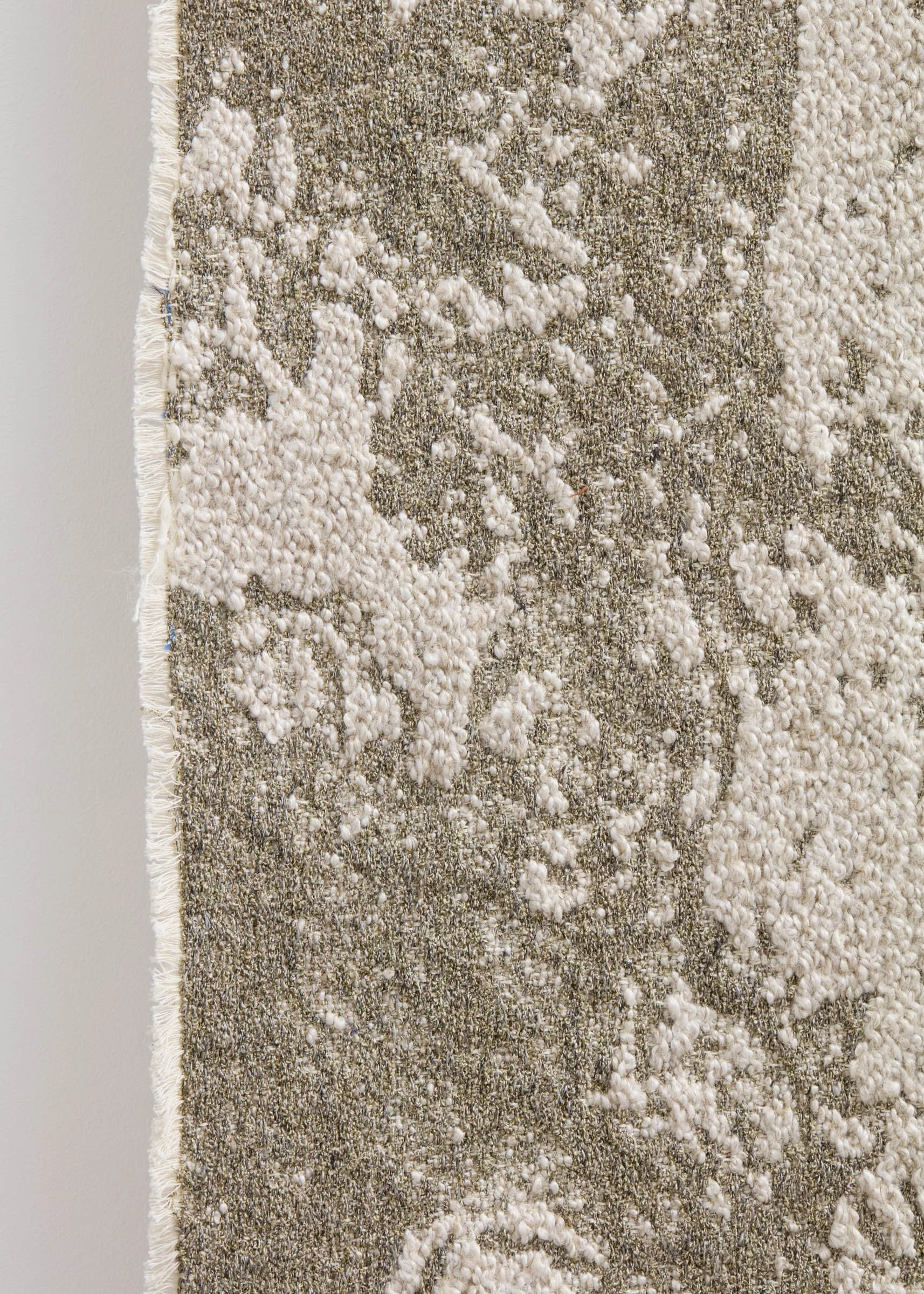
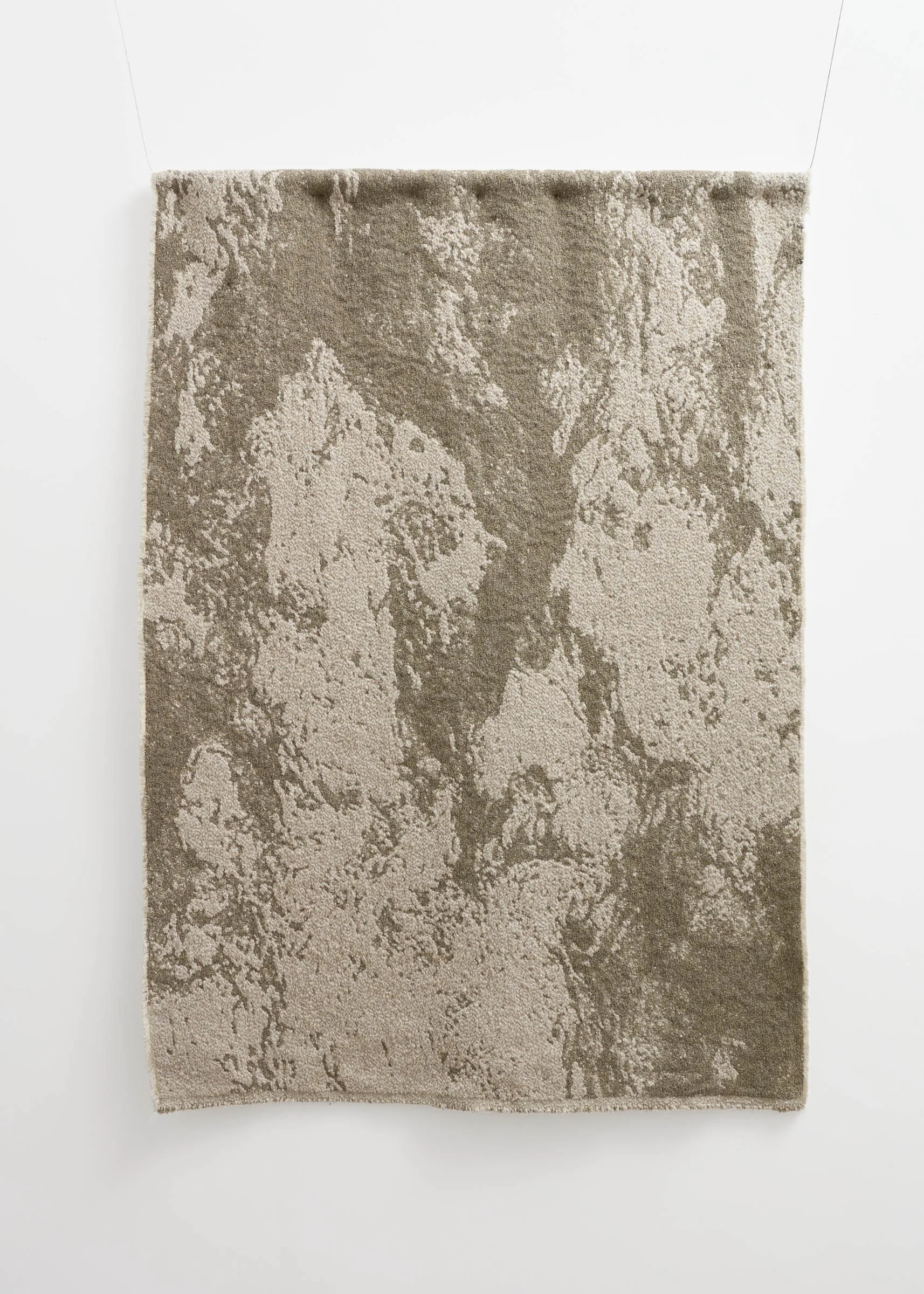
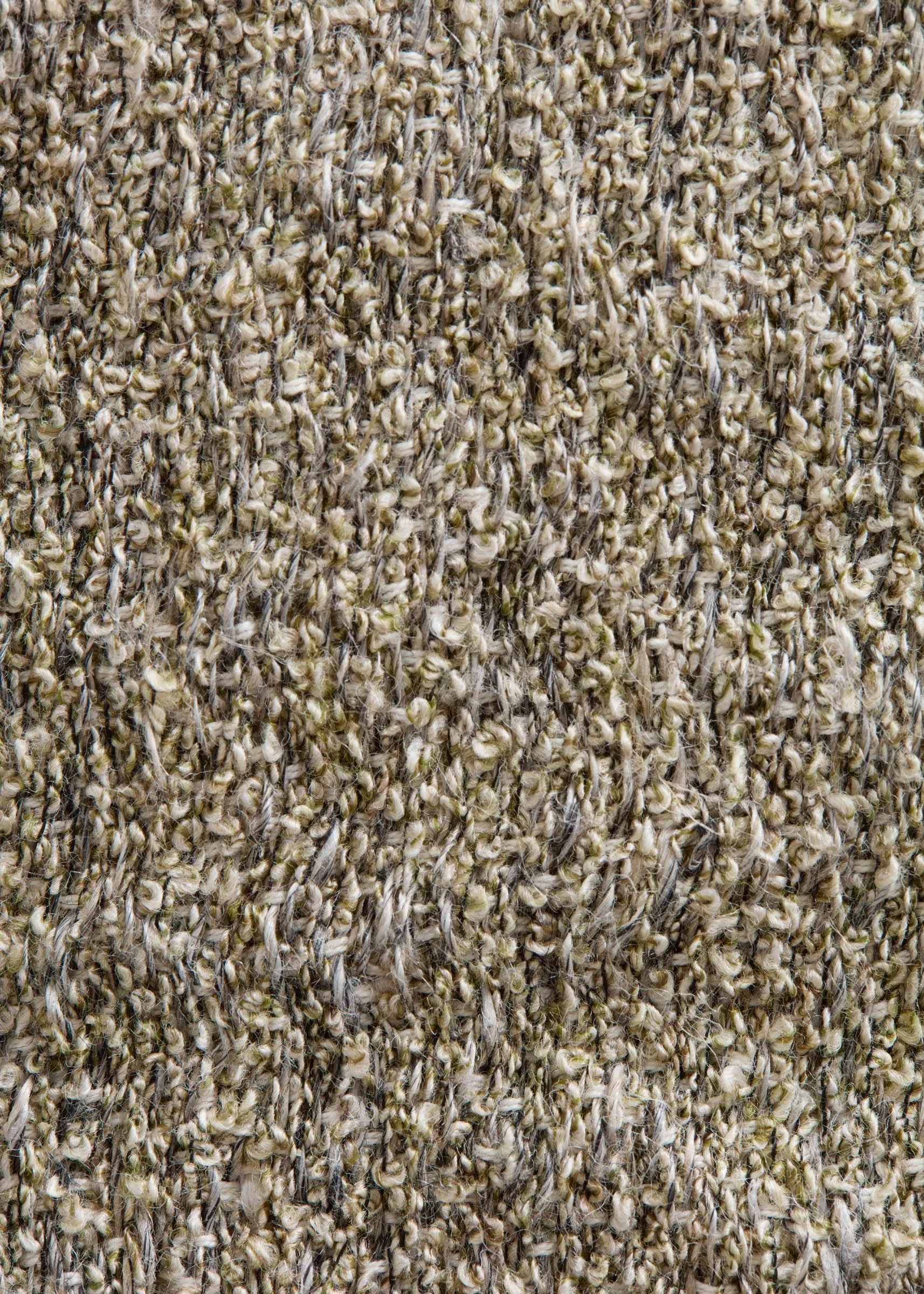
Japanese Dream
The 40 cm-wide pieces were the first to be handwoven by Charlotte. They are reversible, and their length depends on the thickness of the yarns and the way they are packed onto the loom. These initial experiments then inspired the development of large-scale pieces, made possible by the availability of surplus yarns.
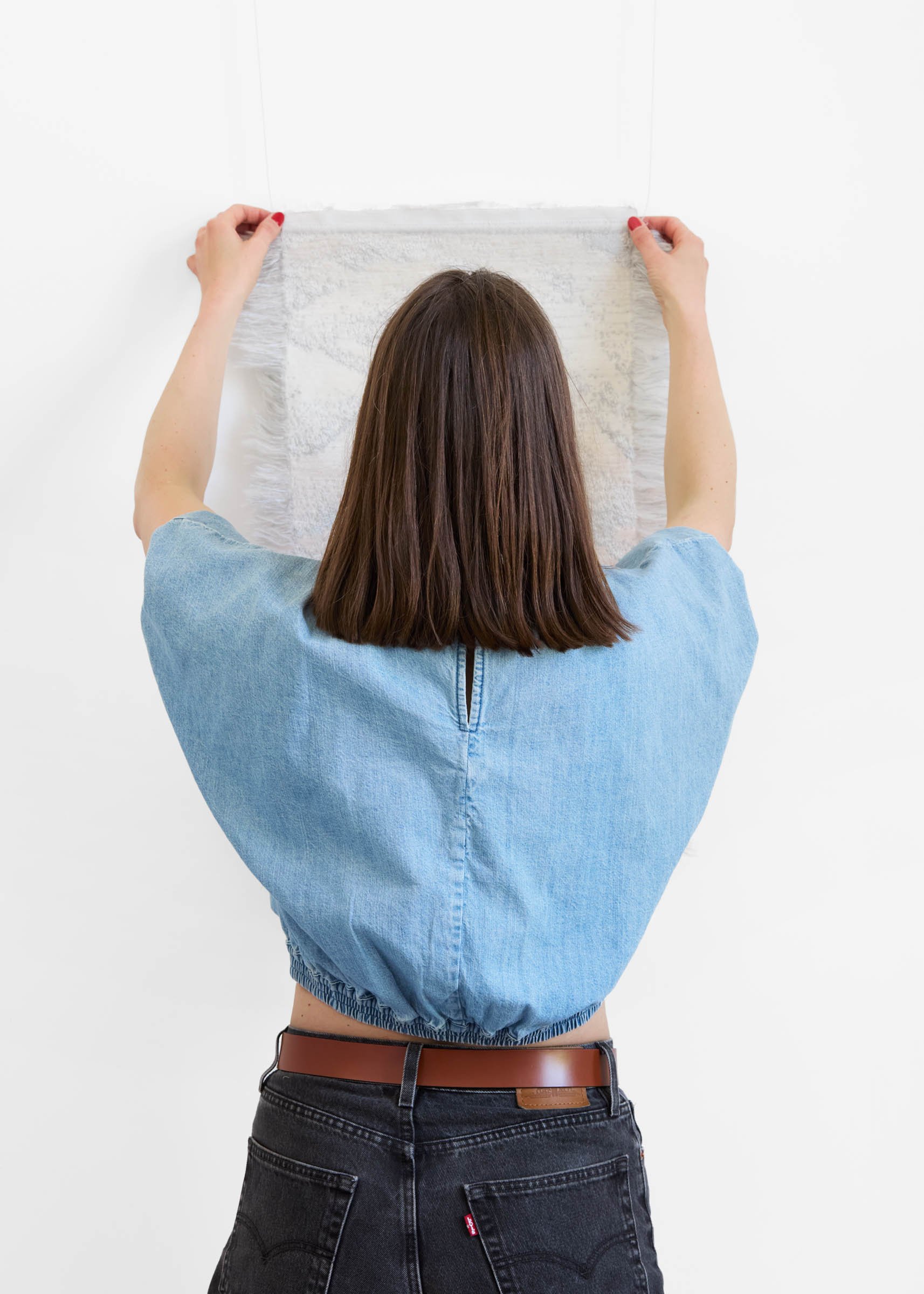
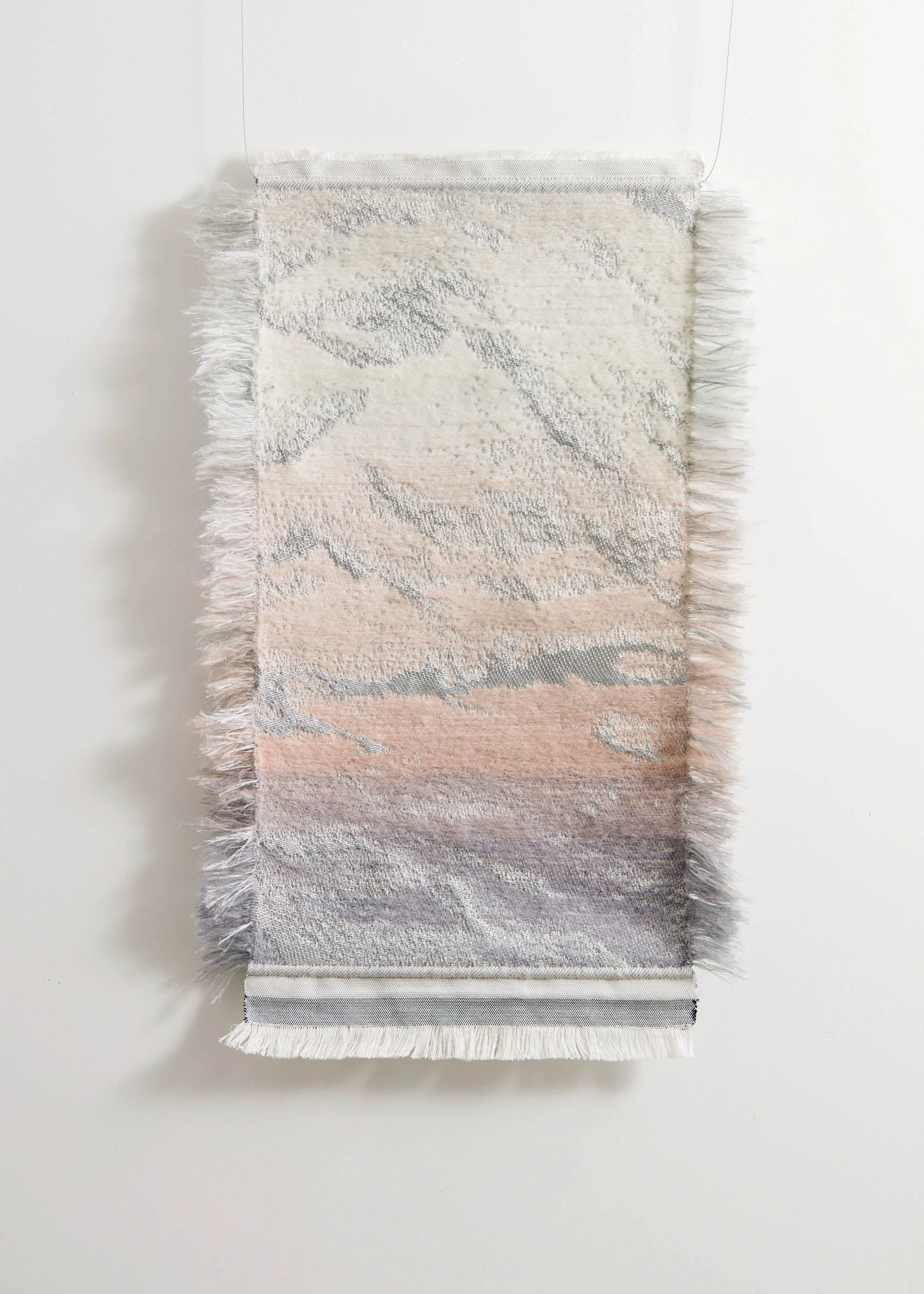
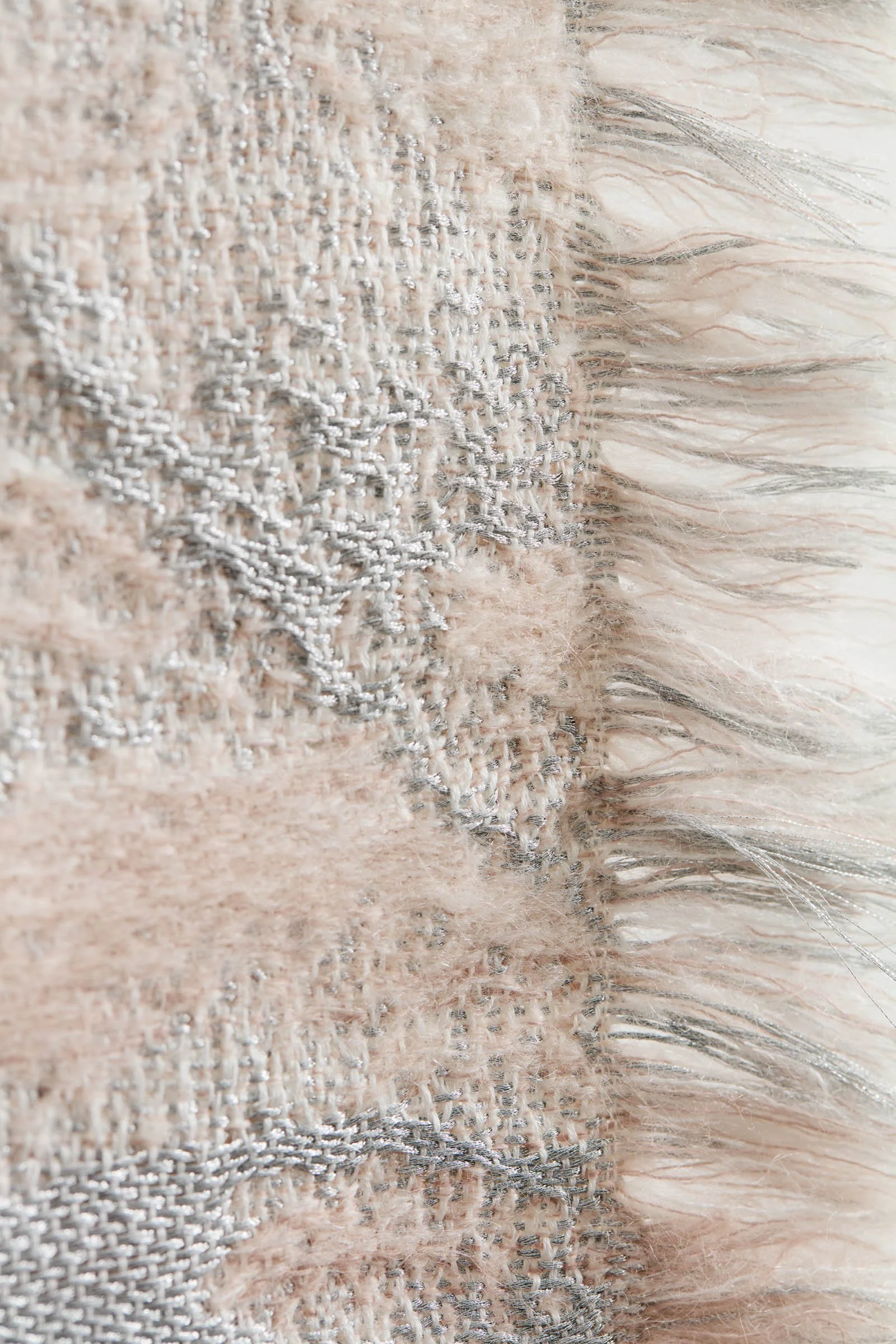
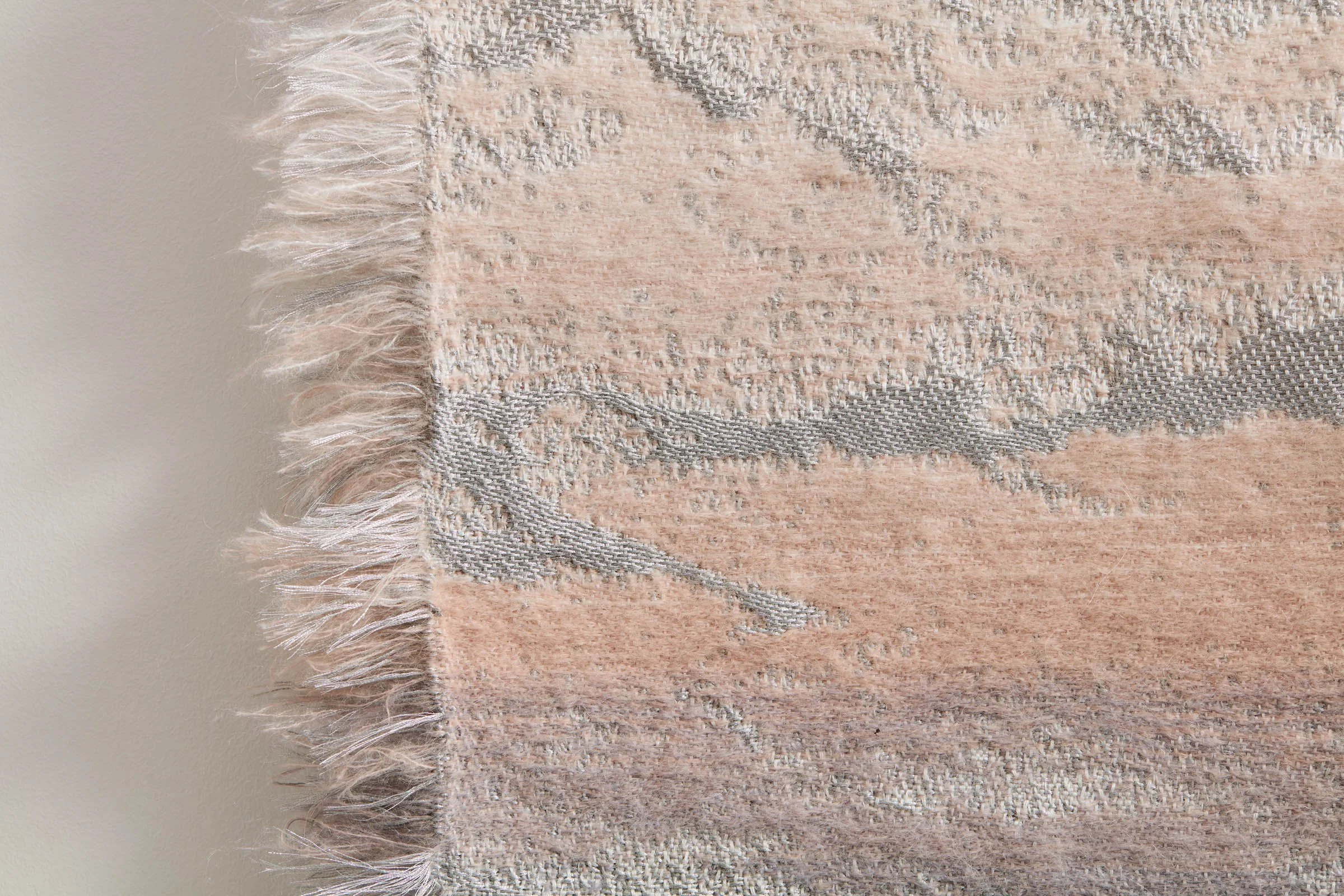
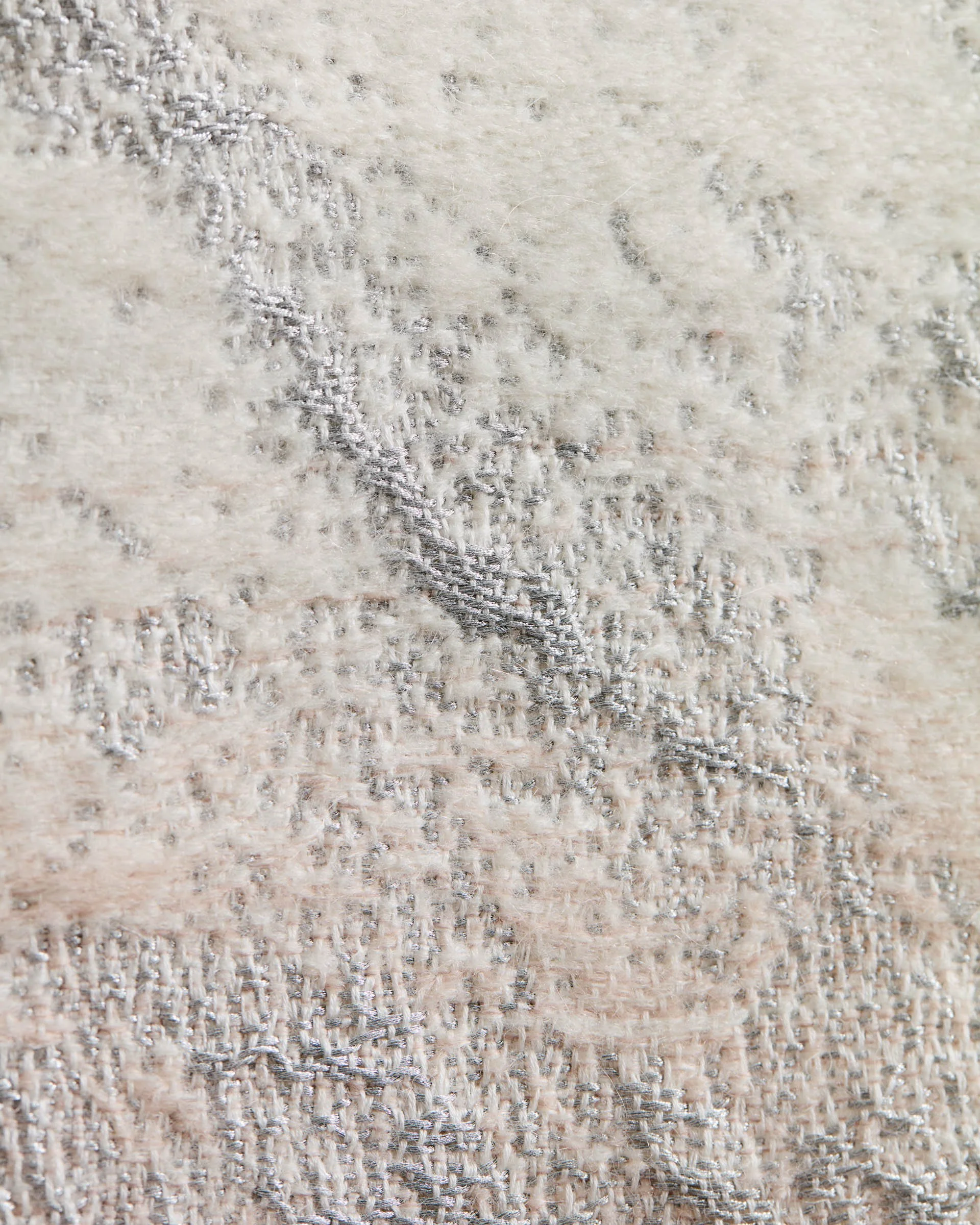
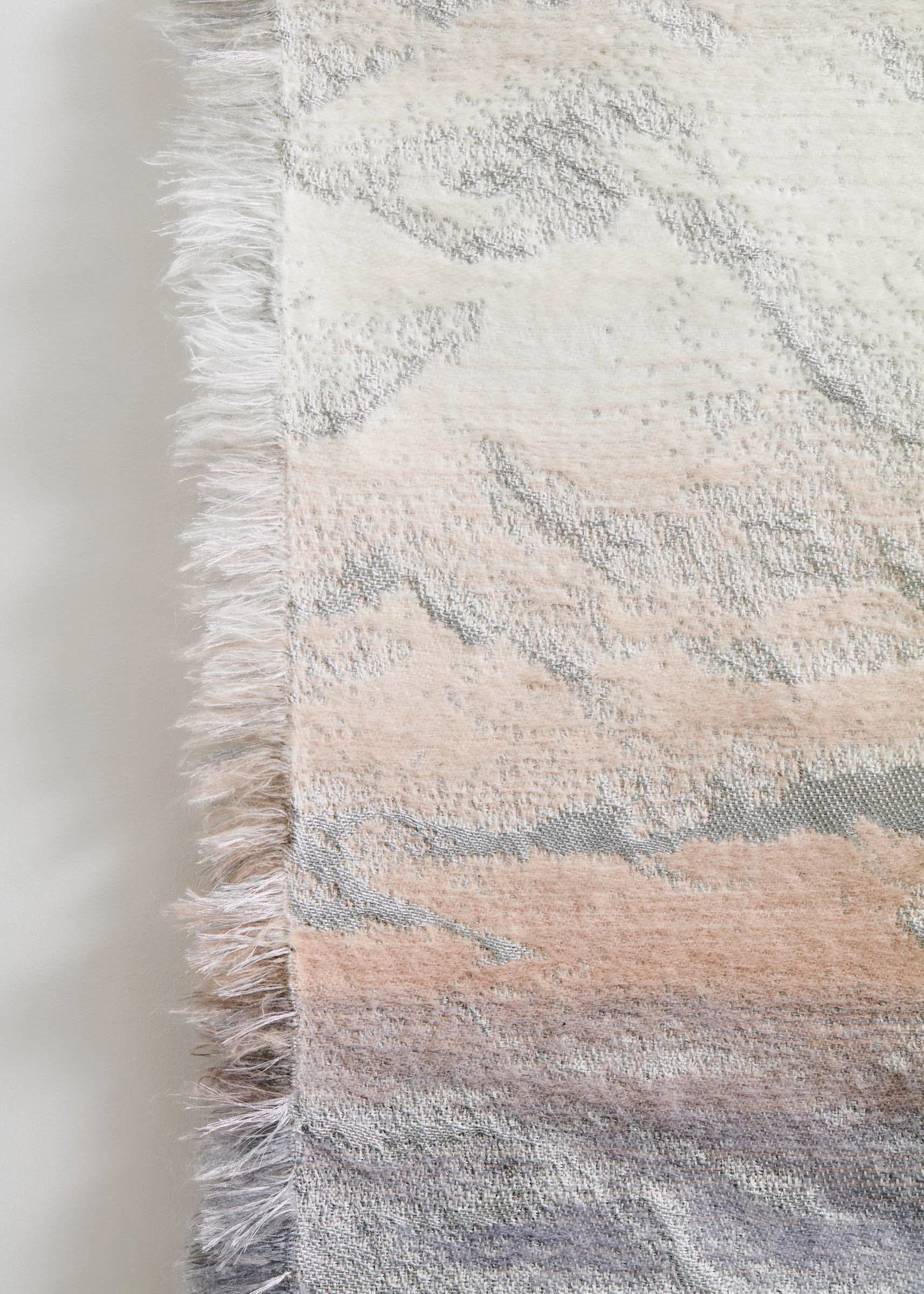
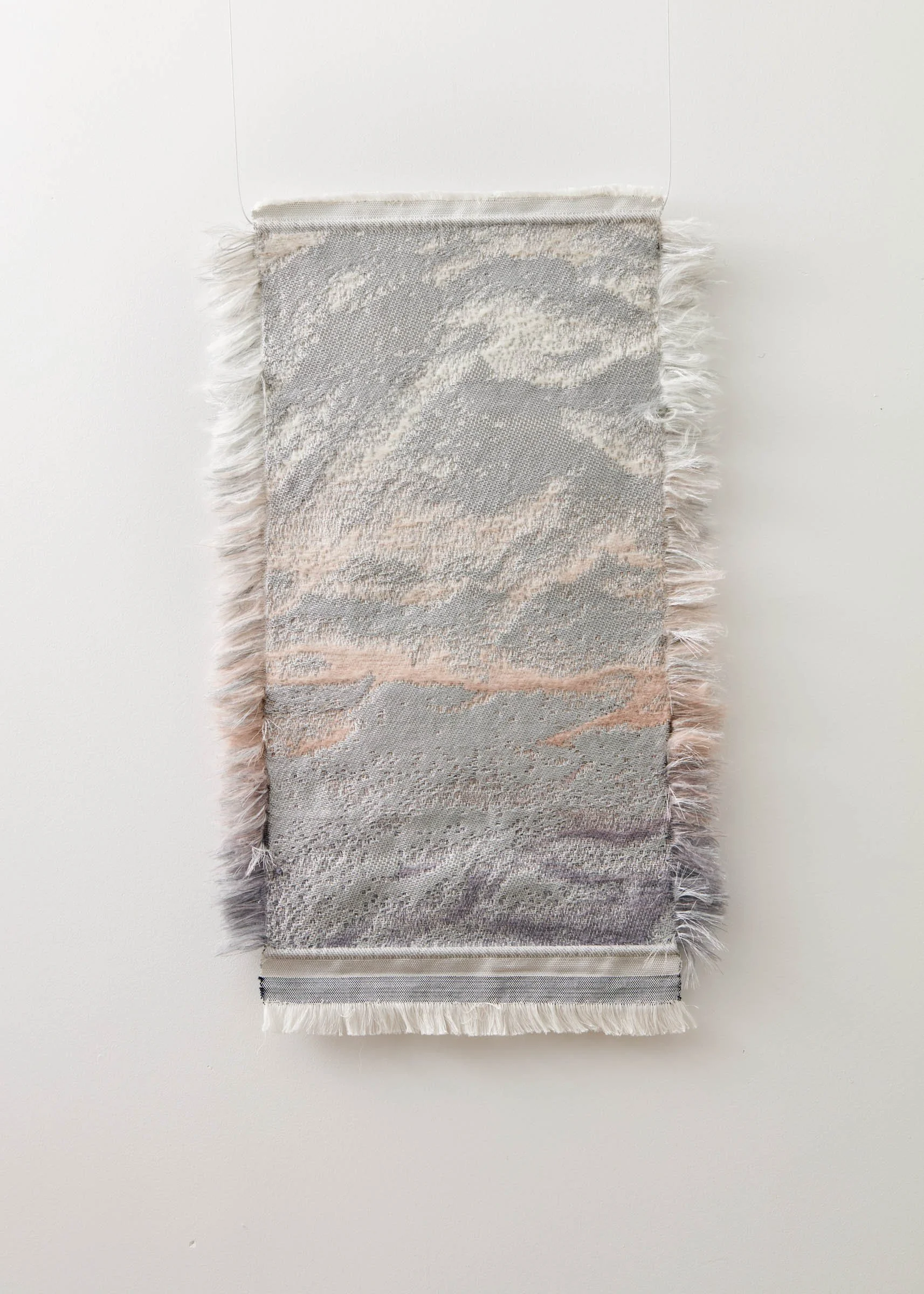
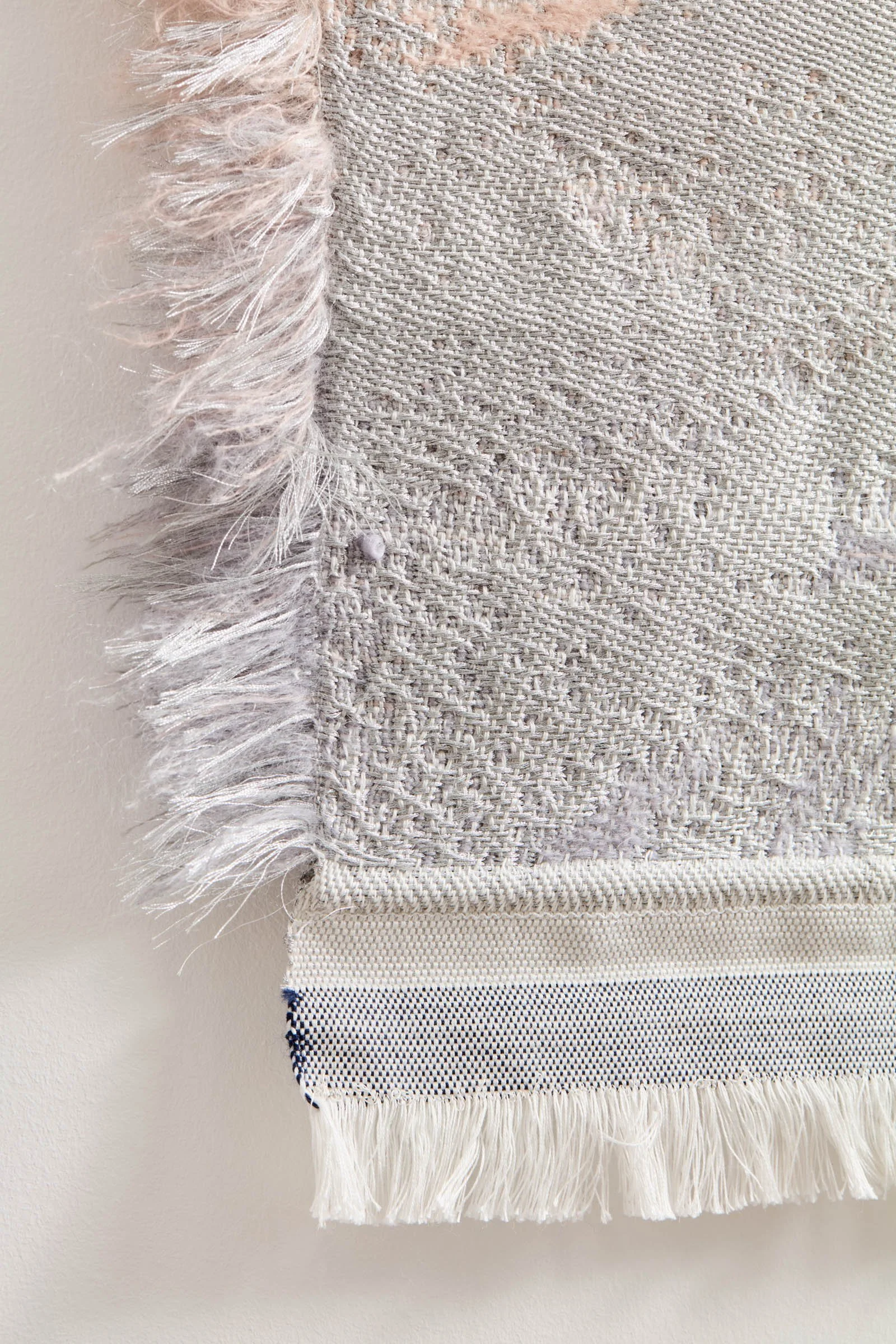
Fog in the snow
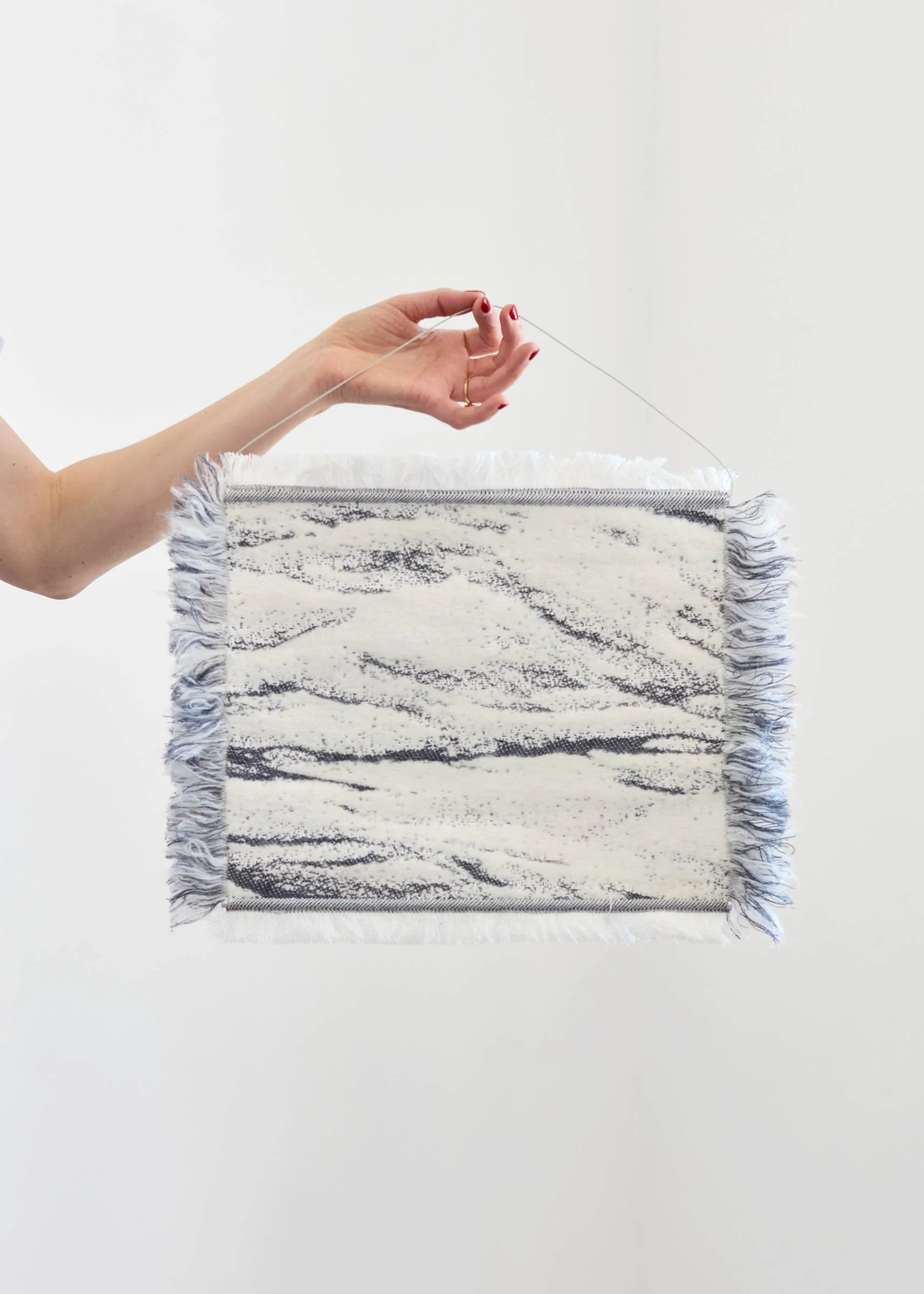
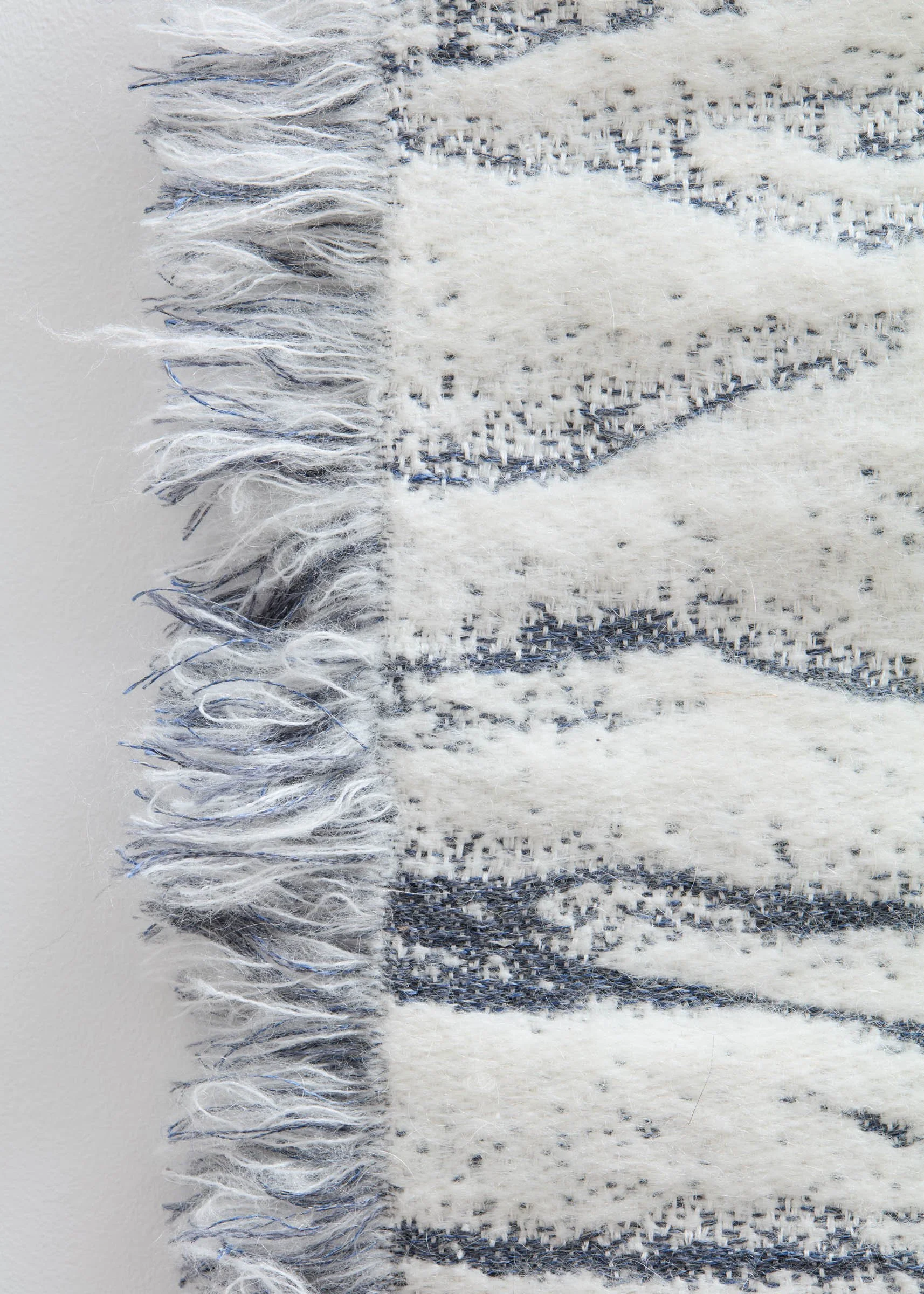
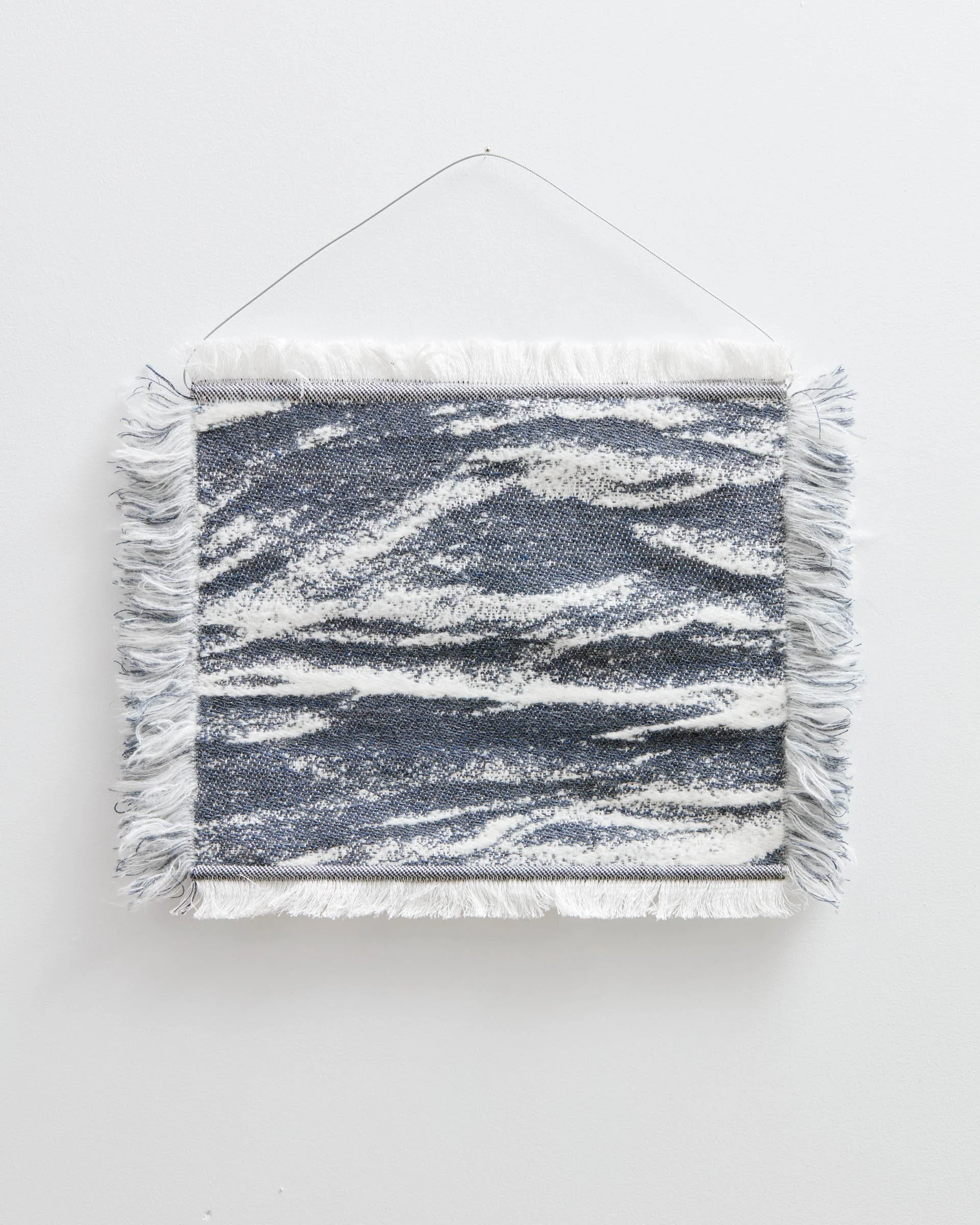
The whole body of work forms a kind of “textile photocopy”: a process of translation in which drawing, material, and weaving continuously transform one another.
The project also aims to explore new modes of industrial production in dialogue with available resources.
The project was carried out with the support of the Commission consultative des Arts plastiques of the Fédération Wallonie-Bruxelles, which awarded me a grant, as well as Texlab Liège. It also benefited from the support of Marie Beguin (Texlab) and my intern, Florian Delmotte.
Photograph by Stan Huaux